

Written by: Cara Tirona
February 25, 2026
When it comes to planning a successful event, every dollar counts. Whether you're organising a corporate conference, a milestone celebration, or a product launch, knowing how to negotiate with vendors can make a big difference to your bottom line. From catering and floristry to AV suppliers and entertainment, being savvy with your negotiation strategy can unlock better deals, added value, and greater flexibility.
In this guide, we share actionable vendor negotiation tips to help you secure the best rates and value from your event partners, without sacrificing quality.
Table of Contents
- Understanding the Importance of Vendor Negotiation
- Key Vendor Negotiation Tips to Keep in Mind
- How to Negotiate with Vendors: By Category
- Tactics to Get Better Vendor Rates Without Burning Bridges
- The Role of Contracts and Clear Communication
- Conclusion: Smarter Vendor Negotiation = Bigger Event Wins
Understanding the Importance of Vendor Negotiation
Vendor negotiation is a vital skill in event planning, as it directly impacts your budget and the quality of the event. By mastering the art of negotiation, you not only ensure financial savings but also cultivate relationships that can lead to more collaborative efforts and enhanced service delivery in the future.
Why Vendor Negotiation Matters for Event Planning
Negotiating with vendors is more than just haggling. It’s about creating mutually beneficial relationships that lead to better service, tailored packages, and budget-friendly solutions.
Maximising Budget Efficiency
Effective vendor negotiation allows you to stretch your event budget further, enabling you to reallocate funds to other important areas. Whether it's upgrading the menu or investing in better equipment, savings from vendor agreements can significantly enhance the experience for attendees.
Building Strong Vendor Relationships
Negotiation is not just about cutting costs; it's about building mutually beneficial partnerships. When approached with respect and transparency, vendors are more likely to accommodate your requests and prioritise your needs. A win-win negotiation can lead to a better rapport, ensuring your events get the attention and quality service they deserve.
Ensuring Quality and Flexibility
While negotiating better rates is important, maintaining service quality is paramount. Effective negotiation includes clearly communicating expectations and identifying areas where flexibility can be applied without compromising the event's standards. This often involves negotiating service inclusions, exploring package deals, or securing favourable terms that protect your interests.
Achieving Competitive Advantage
In today's competitive event planning landscape, securing advantageous vendor terms can set your events apart from others. Negotiating effectively not only positions you as a savvy organiser but also amplifies your offerings, attracting more clients and attendees.
Tailored Packages
Tailored packages are pivotal in crafting unique, memorable events that precisely meet the needs and desires of your clients. By negotiating with vendors to customise their offerings, you can create solutions that are not only cost-effective but also distinctive and well-suited to the specific theme or goals of the event. Such personalisation elevates the value of the services you provide and can significantly enhance client satisfaction.
Common Vendor Types You Can Negotiate With
From caterers and florists to AV suppliers, furniture hire, and entertainment providers, most vendors expect some level of negotiation during the quoting process. Understanding what you can negotiate and how can open up a world of value.
Here are some of the common event vendor types:
Catering Services
When negotiating with caterers, consider discussing options such as menu adjustments, portion sizes, or alternative ingredient choices that might lower costs. Additionally, explore the possibility of bundling services, where they might provide beverages or dinnerware at a reduced rate if you engage their full service. Remember, flexibility in your schedule, such as choosing an off-peak day or meal service time, can also lead to cost savings.
Venue Providers
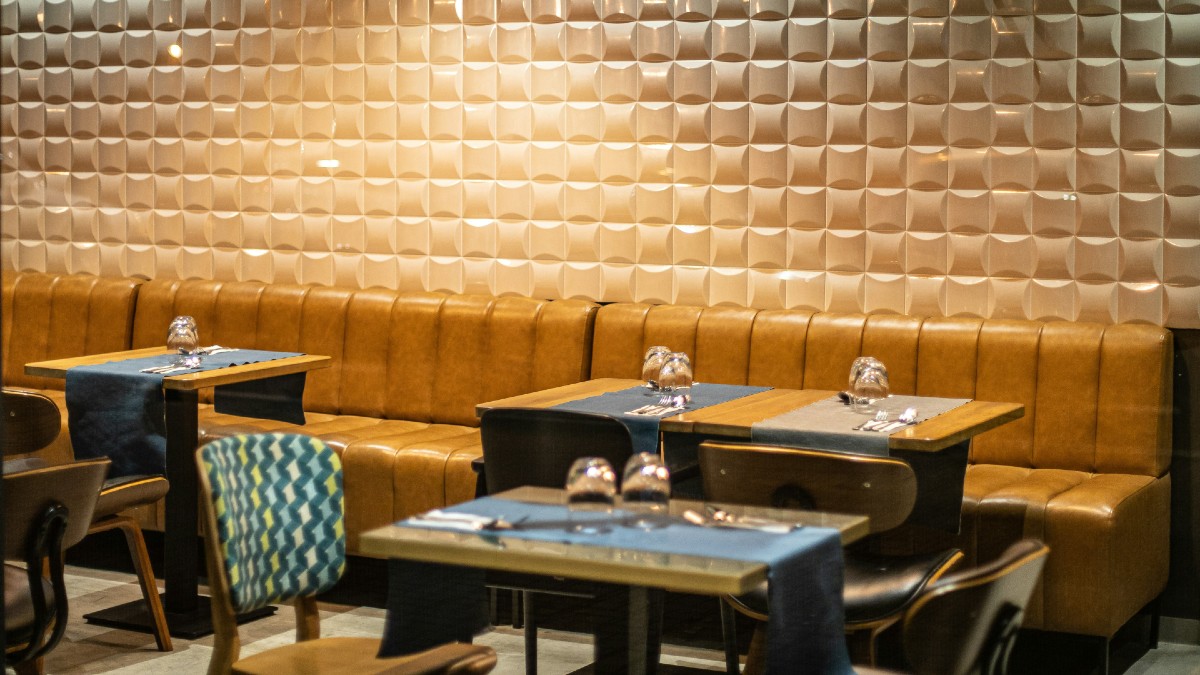
Negotiating with venue providers can be a strategic way to manage costs while securing the ideal location for your event. Start by discussing rental fees and potential discounts for booking during off-peak times or on non-weekend days when venues are generally more flexible. Inquire about any hidden costs, such as service charges or set-up fees, and negotiate to have them reduced or waived.
You can also explore package deals that might include services like audio-visual equipment, lighting, or event staffing. Many venues offer preferred vendor lists you can leverage for potential discounts in other areas like décor or catering. Remember, building a strong relationship with venue managers can lead to better terms not just for your current event, but for future bookings as well.
Florists
Floral arrangements enhance the ambience of any event, and negotiating with florists can ensure that you get stunning designs within your budget. Discuss seasonal flower selections, which are often more affordable and available in abundance. You can also negotiate the scale of arrangements, opting for impactful yet cost-effective designs like greenery-heavy pieces or reusable installations for multiple events.
AV Suppliers
For audiovisual needs, consider negotiating package deals that include both equipment and technical support. Talk to your AV supplier about reducing or waiving fees for setup or teardown if your event staff can assist. Additionally, inquire about using existing in-house systems, which can significantly cut down on rental costs. Establishing a long-term partnership with an AV provider can result in ongoing discounts for recurring events.
Furniture Hire
When negotiating with furniture hire companies, it's beneficial to discuss bulk rental options if you're planning a large event or a series of events. Inquire about discounts for renting multiple items or packages that include essential furniture pieces like tables, chairs, and décor elements. Additionally, flexibility with the rental duration or pickup and return times can help reduce costs. You may also consider discussing the possibility of using previously rented items that might come with a lower price tag due to slight wear, but that remain in excellent condition for your event needs. Building a rapport with your furniture hire provider can lead to additional savings and heightened service levels, ensuring your event environment is both stylish and cost-effective.
Navigating Event Contracts: Essential Insights Before You Sign

Key Vendor Negotiation Tips to Keep in Mind
When approaching vendor negotiations, having a strategy can make a significant difference in the outcomes you achieve. Here are some key tips to consider:
Do Your Research
Before you start negotiating, gather all relevant information about the vendor and their offerings. Compare prices with those of competitors to establish a baseline. Understanding industry norms can empower you to ask for reasonable concessions. This gives you the confidence to question pricing and ask for better terms.
Be Transparent About Your Budget
Instead of asking, "What can you offer?" start by clearly outlining your budget. Vendors may be able to tailor their packages to suit your financial constraints while still offering excellent service. Clearly articulating your budget can serve as a powerful tool in negotiations. It sets the framework for discussions, allowing vendors to craft proposals that are both viable and mutually beneficial. This approach minimises time wasted on unsuitable options and builds a foundation of trust by demonstrating your openness and willingness to engage in a collaborative negotiation process.
Highlight Your Event's Potential
When negotiating with vendors, it's vital to underscore the potential benefits of partnering with your event. Discuss the scale, visibility, or significance of your event and how it aligns with the vendor's interests or business goals. If your event can offer media exposure, high-profile attendees, or future collaboration opportunities, make sure to articulate these perks. For instance, sharing details about expected attendance numbers, demographics of your audience, or marketing channels you're using can be appealing to vendors looking to expand their reach or penetrate new markets. Demonstrating how their involvement can align with their marketing or business development strategies turns the negotiation into a partnership discussion rather than a transactional conversation.
Ask for Custom Packages
If a vendor offers set packages, don’t be afraid to ask for a custom solution. You might not need everything in their premium tier, or perhaps you’d like elements from two different packages combined. Tailoring a package to fit your unique requirements can often result in significant savings and a more personalised service. Start by identifying which specific components of the vendor’s offerings are essential for your event and which ones are expendable. Communicate these preferences clearly to the vendor, emphasising your desire for a solution that focuses on quality over quantity.

How to Negotiate with Vendors: By Category
Every vendor category presents its own unique set of challenges and opportunities during negotiation. Understanding the specific nuances and common practices within each category can empower you to secure the best possible rates and services. Here's a breakdown of how to approach negotiations with different types of vendors:
Negotiating with Catering Vendors
When dealing with catering vendors, consider negotiating on menu customisation and batch sizes. Often, caterers have flexible menu options that can be adjusted to better fit your event's theme or budget. Discuss portion sizes and the number of courses to identify cost-cutting opportunities. If your event is expected to host numerous guests, inquire about bulk discounts or complimentary tastings as part of the deal. Eating flexibility into the menu not only caters to diverse tastes but also showcases your interest in maintaining quality while managing expenses.
Negotiating with Venue Providers
Venue providers are often willing to negotiate various aspects of their offerings, especially if your event fits well within their schedule or enhances their reputation. Start by discussing the total rental period, as many venues offer reduced rates for weekday bookings or for longer rental durations. Additionally, inquire about included amenities and services, such as audiovisual equipment, seating arrangements, or on-site staffing—these can be negotiated into the final agreement to add value without incurring additional costs. Flexibility with timing, like agreeing to set up and break down within a specific window that suits the venue’s operational hours, can also be a point of negotiation for better rates. Highlighting the promotional value your event can bring to the venue, such as potential media coverage or inviting notable attendees, might encourage the provider to offer you more competitive pricing or terms.
Negotiating with Florists
Negotiating with florists can greatly impact the aesthetic appeal of your event while maintaining budgetary constraints. Begin by discussing bulk pricing for larger orders, particularly if you require multiple arrangements or large-scale installations. Florists often provide discounts for significant orders or frequent business, so position your event within this context if applicable. In addition to bulk pricing, inquire about using seasonal or locally sourced flowers, as these can often be more cost-effective while still offering beautiful and fresh arrangements. Offer flexibility in flower selection, allowing the florist to choose blooms that are not only in season but also abundant, potentially reducing costs further.
Negotiating with AV Suppliers
Negotiating with AV suppliers can significantly influence the technical success and overall ambience of your event while helping you stay within your budget. Start by clearly defining your AV requirements, including sound systems, lighting, projectors, and any specialised equipment. This preparation allows you to focus negotiations on necessary items rather than optional extras, which can inflate costs. Many AV suppliers offer package deals that bundle various services and equipment at a discounted rate. If your event needs multiple AV components, requesting a tailored package that includes all your essentials might result in substantial savings. Highlighting long-term or repeat business opportunities can also leverage better rates, as suppliers often prefer establishing relationships with clients who offer ongoing prospects.
Negotiating with Photographers
Negotiating with photographers is essential for capturing your event professionally and beautifully, all while adhering to your financial considerations. Begin by outlining your needs in detail, including the number of hours you expect the photographer to work, the specific moments you want covered, and any particular deliverables such as edited photos or albums. Clarity in these aspects helps ensure that both parties have a mutual understanding, reducing the risk of unexpected costs. Explore photographers who offer varied packages that encompass different levels of service and budget options. If a package includes elements you don’t require, such as prints or additional editing, discuss tailoring a package that fits your actual needs. Many photographers are willing to customise offerings to secure a job, especially during non-peak times or less busy seasons.
Negotiating with Entertainers
Negotiating with entertainers is vital for ensuring your event is lively and enjoyable while also meeting budget constraints. The process begins with a clear understanding of the type of entertainment you want—be it a live band, DJ, comedian, magician, or any other performer. Define the performance duration, specific songs or acts you desire, and any technical requirements. Clearly communicated expectations enable entertainers to tailor their offerings more accurately to fit your event. Consider reaching out to entertainers early in the planning process, as they are more likely to offer competitive rates when their schedules are still open. Additionally, booking acts during non-peak times or mid-week often results in discounts due to lower demand.
Negotiating with Bartenders
Negotiating with bartenders is crucial for ensuring your event is both enjoyable and cost-effective. Start by establishing the type of services you need: do you require cocktail mixology, simple drink serving, or perhaps a themed beverage menu? Clearly define the number of bartenders necessary based on your guest count and the event's nature to avoid unnecessary costs.
When discussing rates, inquire about different pricing structures that might be available, such as hourly rates versus a flat fee for the entire event. Some bartenders offer package deals that include equipment like portable bars, glassware, or mixers, which could be more economical. Always ask if there are additional costs for items such as specialty cocktails, premium liquor, or bartending assistants to get a comprehensive understanding of your potential expenses.
Negotiating with Equipment Rentals
When planning an event, securing the necessary equipment is crucial for ensuring a seamless experience, making negotiation with equipment rental companies a key aspect of staying within budget. Begin by listing out all the equipment you require—such as audio-visual setups, lighting, seating, tents, and catering equipment—to avoid any last-minute additions or surprises. Understand that rental costs can fluctuate based on demand and the season, so booking well in advance is advantageous when possible.
To negotiate better rates, consider bundling different types of equipment into a single rental package. Many rental companies offer discounts when multiple items are booked together because it simplifies logistics and ensures a higher value contract for them. Always ask about weekend versus weekday rates since prices often drop on weekdays due to lower demand. Another effective strategy is to inquire about older inventory that might be available at a lower cost. While perfectly functional, these items might not be advertised at a premium but can significantly contribute to cost savings.

Tactics to Get Better Vendor Rates Without Burning Bridges
Negotiating for better vendor rates without compromising relationships is an art that requires a balance of assertiveness, respect, and strategic thinking. Here are some effective tactics to help you achieve more favourable terms:
Build a Relationship
Before diving into negotiations, take the time to build a positive rapport with your vendors. Establishing trust and understanding can lead to more flexibility in pricing and terms. Engage in open dialogue, show appreciation for their services, and express a willingness to collaborate on a mutually beneficial agreement. Highlight shared interests, such as your desire for quality service and their interest in repeat business.
Be Transparent
Being transparent about your budget constraints and event requirements is crucial. Clearly communicate your financial limits from the start, so the vendor understands the framework within which they can work. This openness can save time and eliminate unrealistic proposals, allowing both parties to focus on feasible solutions.
Be Polite and Professional
Vendors are more likely to accommodate your requests if you treat them with respect. Remember, you may want to work with them again in the future. Maintaining a courteous and professional demeanour can significantly influence the outcome of your negotiations. Approach each interaction with a positive attitude and express gratitude for their willingness to discuss terms. Kindness and professionalism can encourage vendors to go above and beyond to meet your needs, fostering a collaborative atmosphere.
Offer Something in Return
If you're negotiating on price, see if you can offer them something in return—a shoutout on social media, a featured mention in your event program, or an introduction to future clients. Offering something in return can create a win-win situation and foster a stronger partnership with your vendor. Consider proposing options that could add value to their business, reputation, or future opportunities. For example, social media mentions can significantly boost their visibility and credibility, particularly if your platform has a substantial following. Additionally, testimonials and positive reviews can enhance their reputation, aiding them in attracting future clients.
Book Early or During Off-Peak Times
Booking your services early or during off-peak times can be a significant advantage in negotiating better rates with vendors. Suppliers often have more flexibility in pricing when they are not at full capacity, which is typically outside of busy seasons. By planning ahead and securing your needs well in advance, you may qualify for early-bird discounts or preferential pricing. Communicate with your vendors about their busy periods and try to schedule your event or purchase during less-demanding times. This strategy not only helps in securing better rates but also allows vendors to manage their resources efficiently, providing you with high-quality service without the pressures of peak-season demand.

The Role of Contracts and Clear Communication
Clear communication and well-structured contracts are crucial components in negotiating favourable rates with vendors. Establishing unequivocal terms and conditions can protect both parties and prevent misunderstandings. A transparent contract not only formalises the agreed-upon terms but also serves as a reference point throughout your working relationship.
Get Everything in Writing
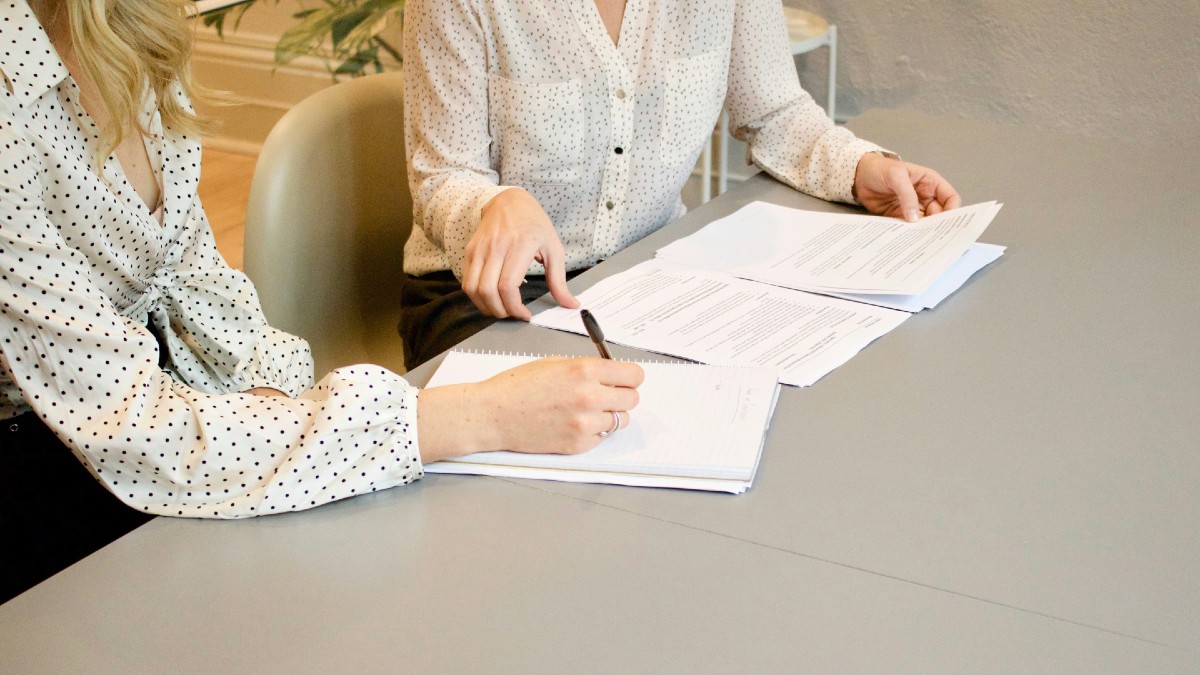
Once you've agreed on terms, get a formal contract that outlines pricing, inclusions, cancellation policies, and timelines. This avoids future misunderstandings. Having a formal contract is a crucial element in securing the terms of your vendor negotiations. A detailed agreement doesn't just reinforce what was discussed; it also serves as a protective measure for both parties. Ensure that the contract specifies every aspect of your agreement, including the pricing structure, deliverables, timelines, and any special conditions you've mutually agreed upon.
Clarify Responsibilities and Deadlines
Clear communication regarding responsibilities and deadlines is essential to maintain a smooth, efficient working relationship with your vendor. Start by creating a detailed timeline that outlines all critical stages of your project or event. This timeline should include specific dates and the corresponding tasks that need to be accomplished by those dates. Ensure both parties understand key milestones—when the deposit is due, when the setup will occur, and who is responsible for what.
Conclusion: Smarter Vendor Negotiation = Bigger Event Wins
Mastering the art of vendor negotiation is essential for any savvy event planner. By doing your homework, being transparent, and building respectful partnerships, you can get the most out of your vendor relationships and ensure your event stays within budget.
Need help negotiating rates or finding the perfect venue? Let VenueNow help you compare, connect, and coordinate your next event with ease.
Looking for an event venue to hire?
VenueNow has you covered with over 2,000 venues across Australia ranging from large event spaces to small meeting rooms. Find your perfect venue for hire faster than anywhere else.







Follow us on social media to stay up to date with the latest news
Customers
Want to get in contact?
Call our support team on 1300 647 488 during business hours AEST.
Follow Us
© Copyright VenueNow 2026 | SPARE GROUP PTY LTD | ABN 22 607 830 302