

Written by: Cara Tirona
April 23, 2026
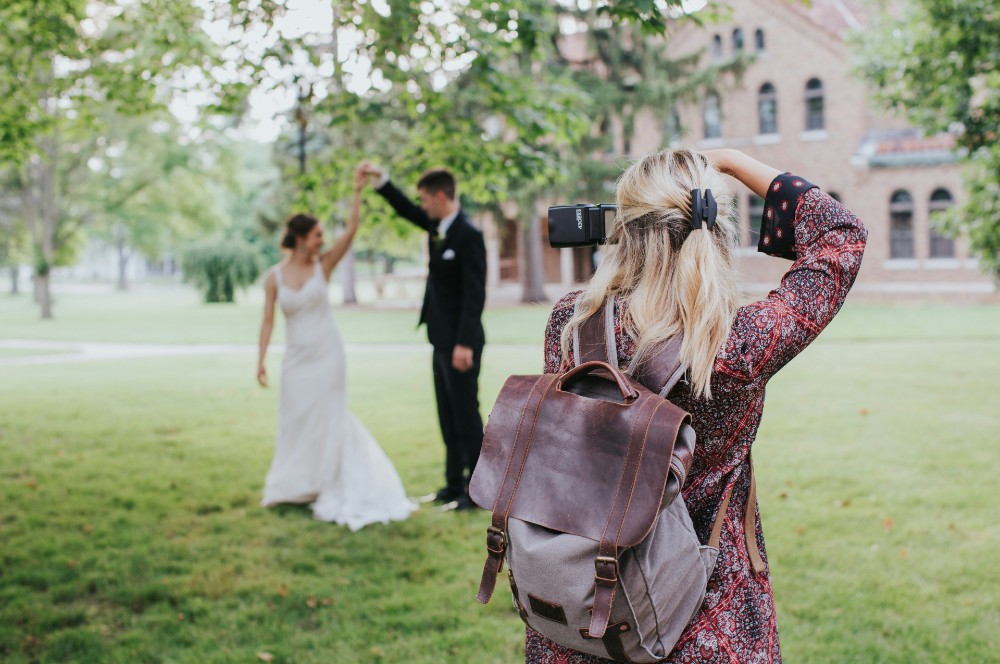
Hiring an event photographer isn’t just about finding someone with a camera—it’s about choosing the right person to capture the essence of your event. Whether you’re planning a corporate function, wedding, gala, or launch party, the photos will tell the story of the day long after the event is over. Here are the key questions to ask before hiring an event photographer, so you can make an informed and confident decision.
Why Choosing the Right Event Photographer Matters
Selecting the right event photographer is crucial because they will play a significant role in how the event is remembered. The right photographer can capture not just images but emotions, interactions, and the overall atmosphere, allowing you to relive the special moments. Photos are more than just documentation—they are the golden threads that weave the narrative of your event, and you want this narrative to be authentic and engaging.
A professional photographer brings an eye for detail and an understanding of lighting, composition, and timing, ensuring that each photo tells its own story. They have the experience to anticipate key moments, adapting swiftly to capture spontaneous events and planned highlights.
Moreover, a photographer's style should align with the tone of your event and the kind of memories you wish to preserve. For instance, a corporate event might require a more formal touch, while a personal celebration might benefit from a candid approach. An adept photographer is also adept at blending in, maintaining a presence that is unobtrusive yet attentive, to ensure nothing is missed.
Ultimately, choosing the right event photographer ensures your investment in the event is maximised. High-quality, meaningful photographs can enhance marketing efforts for corporate events, serve as valuable mementos for the planners and attendees, and become cherished heirlooms for personal celebrations. Photos have the power to evoke the emotions felt on the day, and when executed by a professional with the right skills and approach, they can transport you back to those moments, allowing you to experience them over and over again.
Key Questions to Ask When Hiring an Event Photographer
Before hiring an event photographer, it’s essential to ask the right questions to ensure they are the perfect fit for your needs. This will not only help you gauge their expertise and style but also set expectations for the collaboration, ensuring the photographic outcome aligns with your vision. Here are some pivotal questions to guide your decision-making process:
- What’s Your Experience with Events Like This? Experience matters. Ask the photographer about their experience specifically related to the type of event you're planning. Different events have different dynamics—a wedding, for instance, demands a blend of formal and candid shots, while a corporate event may focus more on networking and branding. Understanding their experience with your specific event type can ensure they are familiar with the challenges and opportunities it presents.
- Can I See a Full Gallery from a Recent Event? A portfolio shows highlights. A full gallery reveals how consistent they are across lighting situations, event segments, and editing style. By reviewing a complete gallery, you get a comprehensive understanding of how the photographer manages different stages of an event, from the setup and crucial moments to candid shots and closing activities. It can showcase their ability to handle varying lighting conditions, capture details and emotions effectively, and maintain a coherent narrative throughout the event. This approach also helps you assess whether their editing style aligns with your preferences, ensuring there are no surprises post-event.
- What’s Included in Your Photography Packages? Understanding the details of what's included in the photographer's packages is crucial. Begin by clarifying the number of hours they will be available to cover your event. This will help ensure they are present from the beginning to the end, capturing all important moments. Understand how many hours of coverage, how many edited photos, delivery timeframes, and if there are any additional costs.
- How Many Events Do You Cover in a Day or Weekend? It's crucial to know the photographer's schedule and workload around your event date. This question helps determine if they will be able to focus adequately on your event. If they are covering multiple events in a short period, you might want to discuss how they ensure each client receives the attention and quality they deserve.
- Do You Have Backup Equipment? You don’t want your big moment lost to a camera malfunction. A true professional brings backup gear and batteries.
- How Many Staff Members Will Be Present on the Day of the Event? The number of staff members can greatly influence the quality and variety of photographs captured during your event. By knowing how many photographers or assistants will be present, you can better gauge how well different aspects and angles of the event will be covered. For larger events, like weddings or corporate functions, having a second shooter or additional assistants could ensure nothing significant is missed and offer the opportunity for varied perspectives.
- What is Your Approach to Candid and Posed Photography? Get a feel for their shooting style. Do they lean toward journalistic/documentary or prefer formal group photos? Understanding the photographer's style when it comes to balancing candid and posed shots is essential for aligning their work with your vision for the event. Some photographers have a knack for capturing spontaneous moments without disrupting the flow, creating genuine and emotional images. Others might prioritise structured, posed shots that are more formal and polished. Discuss with them how they usually operate during events and what blend of these styles they typically employ. This conversation helps ensure that their approach will suit the atmosphere and tone you wish to create for your event.
Event Photography Checklist: What to Discuss in Advance
When planning for event photography, open communication with your photographer will ensure that they're prepared to meet your unique needs and expectations. Here’s an essential checklist of topics to discuss in advance:
Timeline and Schedule
When it comes to event photography, timing is everything. A well-structured timeline ensures that all key moments are captured smoothly, without any hitches. Discussing the schedule in advance allows your photographer to organise their day around the flow of the event, ensuring that they are in the right place at the right time. Here are some points to cover in your timeline discussion:
- Discuss Key Moments and Timings: Share the itinerary of your event with the photographer. Highlight the must-capture moments, such as speeches, keynotes, award ceremonies, or specific activities that you want documented. This will help them prioritise and prepare for capturing these critical moments.
Shot List
The shot list is an invaluable tool in ensuring that all the important aspects of your event are immortalised in photography. It acts as a checklist for the photographer to capture specific images that matter most to you. By developing a comprehensive shot list, you can help guide the photographer's focus and creativity while ensuring that nothing is overlooked.
- Personalised List of Must-Have Shots: While professional photographers come with their standard set of shots, having a list tailored to your event ensures that your specific needs are met. Include group shots, décor, venue settings, and candid moments that are particularly meaningful to you.
Venue and Lighting Conditions
Understanding the venue and lighting conditions is crucial for capturing quality photographs during an event. Different locations present unique challenges and opportunities for photographers, and discussing potential hurdles in advance allows them to come prepared with the right equipment and techniques. Here's what you should cover when discussing your event's venue and lighting:
- Discuss Venue Considerations: If possible, arrange a visit to the venue with your photographer or share images and videos of the location in advance. Understanding the lighting conditions, space constraints, and unique aspects of the venue will help them plan for appropriate equipment and techniques.
- Venue Layout and Lighting: Let them know the type of venue you’ve booked (using VenueNow, perhaps!) and what lighting conditions to expect—natural light, dim interiors, etc. By providing this information, the photographer can decide in advance whether additional lighting equipment is necessary or if adjustments should be made to their existing gear. This ensures they are equipped to handle any challenges posed by the venue’s environment.
- Site Visit: Encourage your photographer to conduct a site visit prior to the event. This visit allows them to get a feel for the venue, assess lighting conditions, and plan the best angles and shots. During the site visit, the photographer can identify any potential challenges, such as low lighting, reflective surfaces, or restrictions on flash usage.
Post-Processing and Delivery
When it comes to event photography, what happens after the event can be just as important as what happens during it. Post-processing is the stage where raw images are transformed into polished photographs that capture the essence of your event. Understanding what to expect in terms of post-processing and delivery will ensure that you receive high-quality images in a timely manner.
- Editing Style and Timeframe for Delivery: Clarify your expectations for post-processing. Discuss the editing style you prefer and establish clear timelines for when you can expect to receive the final images. This is crucial if your event requires quick turnaround times for marketing or promotional purposes.
- File Formats and Access: Determine what file formats you'll receive, whether JPEGs, TIFFs, or RAW files, and decide how the photos will be delivered. Options might include online galleries, USB drives, or cloud storage. Ensure you have clear access methods to the final images and understand any restrictions on downloads or usage.
Cost, Contracts, and What’s Included
When planning an event, it’s essential to have a clear understanding of the financial investment required for hiring a professional photographer. An open discussion around cost, contractual agreements, and what services and deliverables are included can help avoid unexpected surprises later. Here’s what you need to consider:
Understanding Pricing and Packages
Hiring an event photographer involves more than just capturing moments—it’s about understanding the complete value you’re receiving in terms of service, expertise, and end product. Before committing to a photographer, it’s crucial to delve into the details of their pricing structure and packages to ensure they align with your expectations and budget. Here’s how you can navigate this aspect of your decision-making process:
Breakdown of Costs
When evaluating the cost of hiring an event photographer, it's important to understand the factors contributing to their pricing. Rather than basing your decision solely on the final number, break down the costs to see where your investment is going. Here are some key elements to consider:
- Hourly Rates vs. Flat Fees: Some photographers charge by the hour, while others offer flat-fee packages for specific coverage durations. Determine which structure best fits your event's schedule and needs. For instance, if your event is likely to run longer than expected, an hourly rate might lead to unforeseen expenses. Conversely, a flat fee can provide peace of mind with a set cost.
- Inclusions and Extras: Ascertain what is included in the quoted price. Are travel expenses, assistant fees, or additional equipment charges accounted for? Some photographers might also offer bundled services such as photo albums or highlight reels as part of their package. Be clear about what additional fees might apply to avoid surprises later.
- Rights and Licensing: Photography costs sometimes include rights to the images. Check if the price covers copyrights, usage rights, or if additional fees apply for commercial use. Understanding these details can impact your budget, especially if you plan to use the images for marketing, advertising, or on digital platforms. Each photographer may have different policies, so ensure that you’re clear on how you can legally use the images post-event.
Payment Terms
Understanding the payment terms is essential to avoid any financial misunderstandings. Here are a few points to consider:
- Deposit Requirements: Many photographers require a deposit to secure your booking. Clarify the amount and whether it's refundable or transferable, should your event be rescheduled or cancelled.
- Payment Schedules: In addition to the initial deposit, you should understand the full payment schedule. Some photographers might ask for the remainder of the payment to be made before the event, while others might allow for post-event payments. It's crucial to establish a timeline that aligns with your financial planning. Clarify any penalties or fees for late payments to avoid unexpected charges.
- Cancellation Policies: Event plans can change unexpectedly, so it's important to understand the photographer's cancellation policy. Determine the timeframe within which you can cancel without incurring additional charges. Some photographers may retain the deposit or a portion of the fee, depending on how close to the event date you cancel. Having clarity on these terms can help you manage risks and make informed decisions.
- Payment Methods: Discuss preferred payment methods with your photographer. Whether they accept credit cards, bank transfers, or other forms of payment can affect how you plan your budget. Additionally, inquire about any fees associated with different payment methods, such as processing charges for credit card transactions.
Additional Charges
Ensure that you're aware of potential additional charges that may not be included in the initial quote. For example, overtime fees if the event runs longer than expected, or fees for expedited image delivery. Discuss these aspects upfront to avoid unexpected surprises. Here are some common additional charges to inquire about:
- Overtime Fees: If your event extends beyond the agreed-upon hours, you may incur overtime fees. Clarify the photographer's hourly rate for extra time and any minimum hours they require for overtime work.
- Travel Expenses: If your event is located outside of the photographer's usual service area, you might need to cover travel expenses. These can include transportation, accommodation, and meals. Discuss this upfront and be sure to get an estimated cost if applicable. This will help you assess whether the photographer fits within your budget or if you'd rather hire someone local.
- Image Editing and Retouching: Some photographers include basic editing in their packages, while others charge extra for any retouching or special effects that go beyond their standard offerings. It’s essential to know what level of editing is included in the package and how much additional advanced editing services might cost. This will ensure you receive the quality of images you expect without unexpected costs.
- Printing and Albums: If you’re interested in physical prints or albums, ask about the prices for these services. Some photographers offer professional printing options at an additional cost. Inquire if there are packages available for bulk printing or discounts for album orders to potentially save money.
- Licensing and Usage Rights: Clarify if there are any fees associated with licensing or if there are restrictions on how you can use the images. Some photographers might charge an additional fee if you plan to use the images for commercial purposes. It's important to have a clear understanding of how you can utilise the photographs post-event. For instance, personal usage rights typically allow you to share the images on social media or with friends and family. However, commercial usage—such as using the photos in marketing materials—might require a separate agreement or additional licensing fee. Make sure these rights and restrictions are outlined in writing to prevent future complications.
10 Event Planning Hacks for Creating Instagram-Worthy Experiences
Conclusion: Hire with Confidence, Capture with Purpose
Choosing the right event photographer isn’t just about price—it’s about style, personality, and trust. Asking the right questions helps you find someone who can capture your event’s story exactly the way you envision it.
Need help finding the perfect venue first? Use VenueNow to discover, compare, and book amazing event spaces across Australia. With the venue sorted, you’ll be ready to capture every moment.
Looking for an event venue to hire?
VenueNow has you covered with over 2,000 venues across Australia ranging from large event spaces to small meeting rooms. Find your perfect venue for hire faster than anywhere else.





Follow us on social media to stay up to date with the latest news
Customers
Want to get in contact?
Call our support team on 1300 647 488 during business hours AEST.
Follow Us
© Copyright VenueNow 2026 | SPARE GROUP PTY LTD | ABN 22 607 830 302