

Written by: Cara Tirona
March 18, 2026
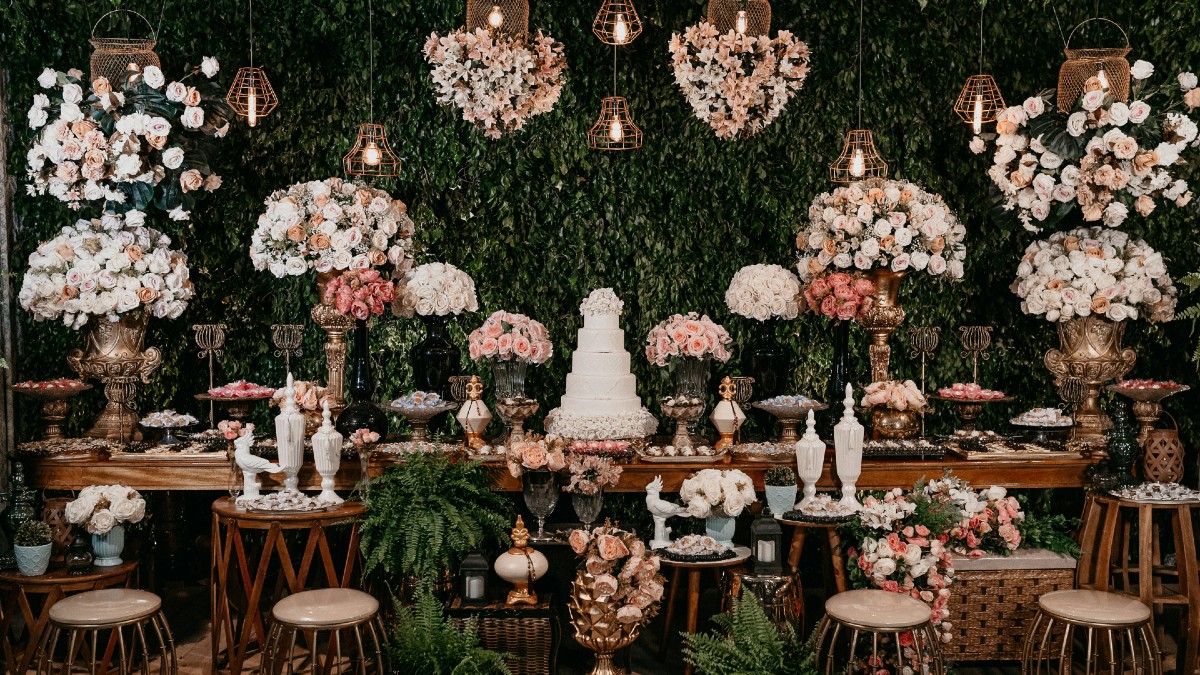
After the guests have gone home and the lights are dimmed, event planners are often left facing a different kind of challenge—what to do with the leftovers. From lavish buffets and vibrant floral arrangements to themed decorations and signage, post-event waste is a growing concern in the industry.
Fortunately, with a bit of planning and creativity, your leftover event items can be repurposed, donated, or reused to extend their value and reduce environmental impact. Here’s your go-to guide on what to do with leftover food, flowers, and décor—and how it contributes to more sustainable event practices.
Sustainable Solutions for Leftover Event Food
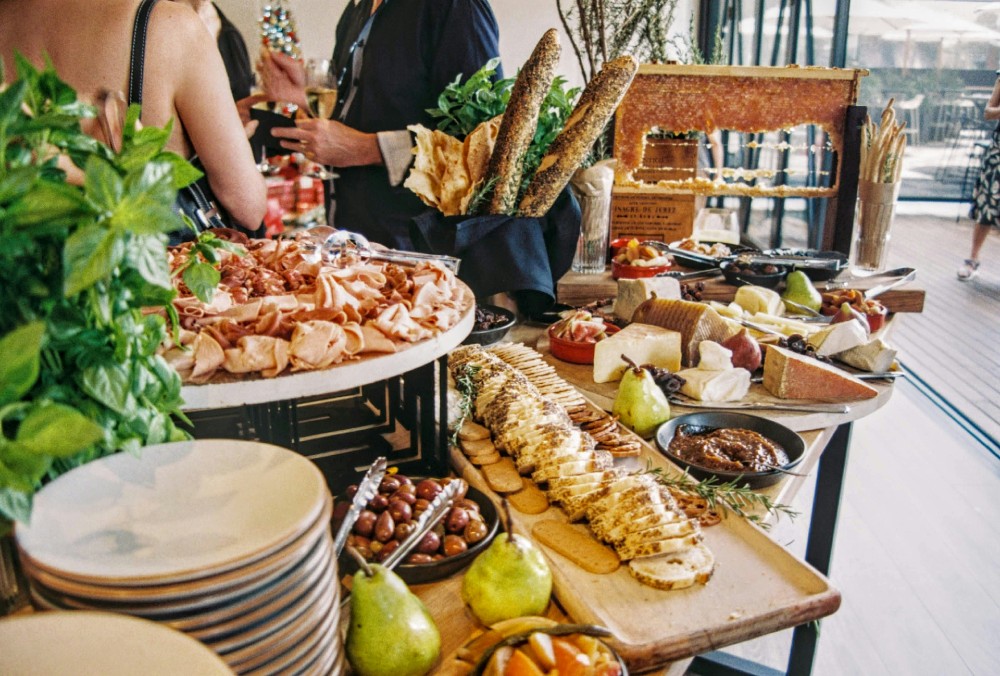
Dealing with leftover food after an event requires careful consideration, as improper handling can lead to unnecessary waste. Here are some sustainable strategies to manage your event’s leftover food efficiently:
Partner with Local Food Banks and Shelters
One of the most effective ways to ensure that surplus food is put to good use is by partnering with local food banks and shelters. These organisations often welcome donations of untouched food, particularly non-perishable items. Before your event, reach out to these organisations to understand their requirements and any regulations they must adhere to, such as food safety standards. Not only will this help those in need, but it also fosters a sense of community and goodwill.
Look into:
- OzHarvest or SecondBite (for Australian-based events)
- Local shelters or food pantries
- Organisations with safe food handling certifications
Ensure that the food is packaged, labelled, and refrigerated according to donation guidelines.
Incorporate a Food Rescue Program
Collaborate with food rescue programs that specialise in picking up, storing, and distributing leftover food to those in need. These programs operate on short notice and are well-equipped to handle a variety of food types, ensuring that surplus meals reach hungry recipients quickly.
Composting and Recycling
When donating is not possible—due to food safety or logistical issues—composting is an excellent alternative. Set up a composting station at your event to collect any organic waste, such as vegetable scraps, fruit peelings, and other biodegradable materials. By composting, you can transform these leftovers into nutrient-rich soil, which can be used for gardening or landscaping, thus contributing to a sustainable cycle of growth and reuse.
Reducing Food Waste Through Smarter Planning
Planning plays a significant role in minimising food waste. By optimising your event planning process, you can drastically reduce the amount of leftover food. Here are some strategies to ensure efficient food consumption:
- Accurate Guest Estimates: Start by getting a precise count of your expected attendees. Overestimating the number of guests often leads to excessive food orders. Use RSVPs and track past event attendance patterns for more accurate estimates. Consider potential last-minute cancellations and adjust your estimates accordingly.
- Flexible Menu Options: Work with your caterer to create a menu that can be adjusted based on the actual number of attendees. Ask if they can prepare dishes that can be easily scaled up or down, which can help in reducing waste on the day of the event. Also, include menu items that can be preserved or stored for future use.
- Portion Control: Educating catering staff on well-portioned servings can significantly affect the amount of leftover food. Train them on portion control to ensure that guests receive appropriate meal sizes, thereby reducing the chance of food being tossed away half-eaten.
- Scheduled Serving Times: Plan to serve food in waves or at scheduled intervals. By setting specific serving times, you can maintain the quality and freshness of the food while also managing portion sizes more effectively. This approach reduces the temptation for guests to overfill their plates at the start, only to find they cannot finish their meal. Serving food in waves also allows you to gauge consumption trends in real-time and adjust the preparation of additional servings accordingly, minimising waste.
Take Home Options for Guests
Another practical strategy to avoid food waste after an event is to offer take-home options for your guests. This not only allows the leftover food to be consumed but also extends the hospitality of the event beyond its conclusion. Here are some effective ways to implement this:
- Eco-Friendly Packaging: Provide guests with biodegradable containers or reusable food bags to take home leftovers. This promotes environmental responsibility while making it convenient for them to carry food without contributing to plastic waste.
- “Takeaway” Stations: Set up a dedicated station towards the end of the event where guests can help themselves to the leftover food. Make sure to label the food items clearly and provide utensils if needed. This can be an engaging way for guests to gather extra treats as they leave.
- Encourage Sharing: If guests cannot take food home themselves, encourage them to share it with others who might benefit from it, such as neighbours, colleagues, or community members. This spirit of sharing aligns with the communal aspect of events and extends goodwill beyond the event attendees.
- Provide Information: Inform your guests in advance about the take-home option in the event invitation or program. Knowing this possibility, they might come prepared to carry leftovers home.

What to Do with Leftover Event Flowers
After an event concludes, flowers are often left behind, despite being a significant part of the event's decoration and ambience. Fortunately, there are several creative and meaningful ways to repurpose these blooms and extend their beauty beyond the event. Here are some ideas:
- Floral Donations: Consider donating the flowers to local hospitals, nursing homes, or shelters. These places often welcome fresh flowers to brighten up their environments, providing a touch of joy to those who may appreciate it the most. Contact the organisations in advance to ensure they can accept the donations and coordinate logistics.
- Guest Takeaway Bouquets: Similar to the take-home food option, you can offer guests the opportunity to take home arrangements or individual flowers. Provide eco-friendly wrapping materials or small vases for guests to create their own bouquets. This not only lets them enjoy the beauty of the flowers longer but also serves as a lovely reminder of the event.
- Dried Flower Keepsakes: Encourage guests or volunteers to dry some of the flowers. Dried flowers can be used in a variety of crafts, such as wreaths, potpourri, or framed art pieces. If you don’t have the resources to dry them for personal use, consider partnering with local artists or crafting groups who might be interested in receiving them for creative projects. This can be a wonderful way to support local talent and sustainability.
- Donate to Hospitals or Care Homes: One heartwarming way to repurpose event flowers is by donating them to hospitals or care homes. Fresh flowers can brighten up these facilities, bringing cheer to patients, residents, and staff alike. Contact local hospitals or care homes in advance to ensure they accept flower donations and to arrange a convenient drop-off time.
Repurposing Event Decor: Reduce, Reuse, Reinvent
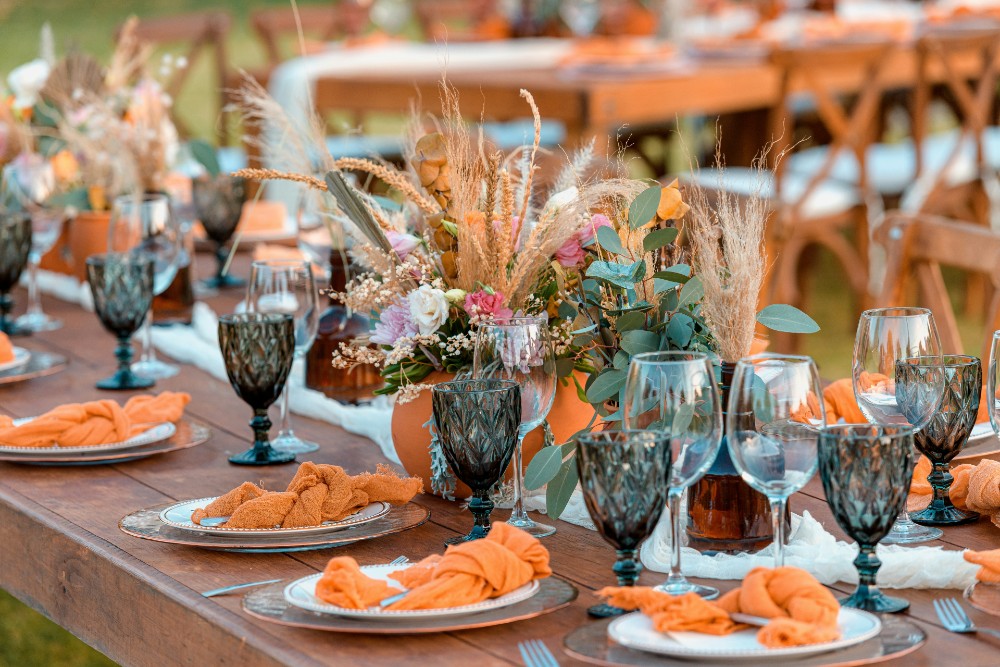
Event decor often involves a variety of materials that, when the occasion concludes, still have plenty of life and beauty left in them. Instead of discarding these items, consider repurposing them in creative ways that embrace sustainability and offer continued enjoyment. From signage and centrepieces to lighting and linens, your event décor doesn’t have to be single-use. Here are some thoughtful approaches:
Re-Gifting or Selling Decor
If your event decor is still in good condition, consider re-gifting it to friends or family members who may have upcoming events of their own. This is a great way to reduce waste while offering something meaningful that can enhance another special occasion. Alternatively, you can sell the decor items through online marketplaces, local community groups, or consignment shops.
- Online Marketplaces: Post your gently used decor on online platforms like eBay, Facebook Marketplace, or local community groups. Someone might be planning a similar event and would appreciate the opportunity to purchase quality decor items at a reduced price.
- Event Swap Meets: Participate in or organise community swap meets. These events allow individuals to exchange decor items they no longer need for something they might use in the future. It’s a great way to foster community connections and promote waste reduction.
Upcycling Projects
Upcycling is a creative and environmentally-friendly way to transform event decor into new, functional, or visually appealing items. By giving decor elements a second life, you not only reduce waste but also create unique pieces that carry the memories of a special occasion. Here are several innovative upcycling project ideas you can consider:
- Home Decor Transformation: Transform elements of the event decor into unique home decor items. For example, table centrepieces can become living room trinkets, candle holders can find new life on a home dining table, or fabric from drapes can be transformed into pillow covers. Engage your creativity and see how these items can merge into your personal living space decor.
- Craft Projects: Transforming leftover event materials into craft projects is a fantastic way to breathe new life into decorations that might otherwise be discarded. For example, you can repurpose tablecloths into fashionable tote bags or festive banners. Old centrepieces and signage can be dismantled to create handmade home decor items like picture frames or customised wall art. Even discarded glass jars and bottles can be turned into charming candle holders or vases with a touch of paint and creativity. These upcycling projects not only allow you to be environmentally conscious but also serve as a memorable keepsake from the event. By incorporating these projects into your post-event routine, you not only reduce waste but also empower creativity and sustainability within your community.
Store or Reuse for Future Events
Storing and reusing decor items, food, and flowers can significantly cut costs and reduce waste for any future event you might host. With a bit of careful planning and storage, items from your event can be easily repurposed and reused. Here are some strategies to help you store or reuse items effectively:
- Proper Storage Solutions: Invest in high-quality storage containers that can keep your event items in pristine condition. Use clear, labelled bins for easier identification and organisation. Ensure fragile decor, like glassware or delicate ornaments, is well-padded and stored in a cool, dry place to prevent damage or deterioration.
- Inventory Management: Keep a detailed inventory of all the stored items, including their condition and potential use for future events. This record will be invaluable when planning your next event, helping you quickly identify what you already have and what might still be needed.
- Repurposing Event Decor: Choose versatile decor items that can easily be adapted to suit various event themes or styles. For example, neutral tablecloths, elegant candle holders, or simple floral arrangements can seamlessly transition from a wedding to a birthday party with just minor tweaks.
- Longevity of Materials: Opt for high-quality materials that can withstand the test of time and multiple uses. Durable fabrics, sturdy paper goods, and well-crafted décor items ensure that they remain in good condition, event after event. Invest in reusable materials (e.g. cloth backdrops, LED lighting, props).
Creating a Zero-Waste Event Cleanup Strategy
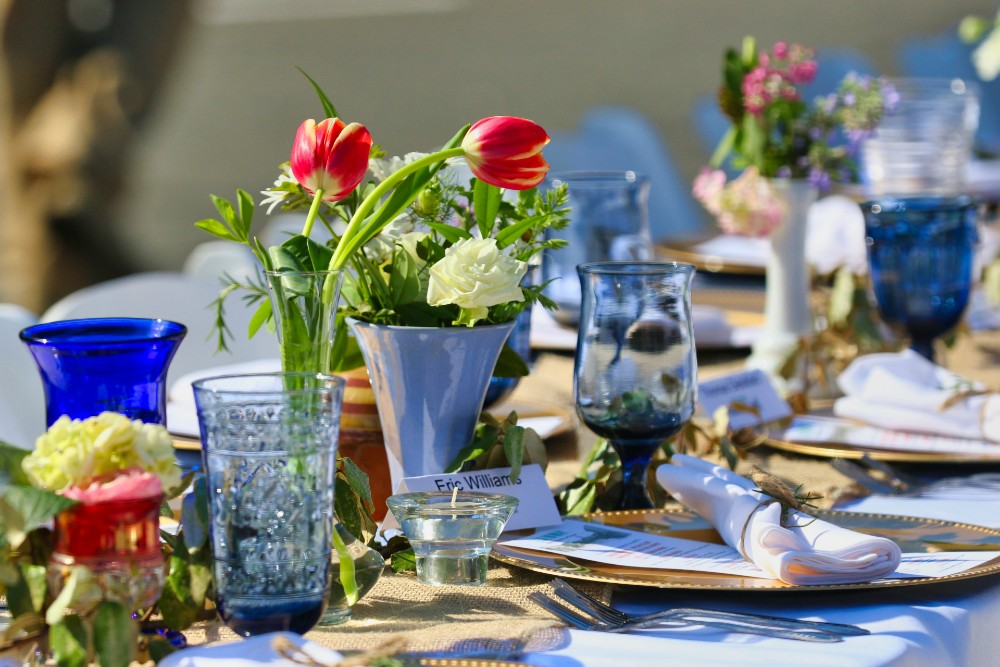
Event planners aiming for sustainability should build event cleanup tips into their overall planning timeline.
A successful zero-waste event cleanup strategy is about balancing efficiency, sustainability, and creativity. By integrating thoughtful practices into your event planning and execution, you can significantly reduce the environmental footprint of your gathering. Here are some essential tips to guide you through this process:
Set Expectations with Vendors Early
Setting clear expectations with your vendors right from the start is crucial for achieving a zero-waste event. When you communicate your sustainability goals early, vendors can align their services to help meet your objectives.
Ask vendors about their green policies:
- Do they use recyclable packaging?
- Will they assist with food repackaging or décor breakdown?
Organise a Post-Event Recovery Team
Organising a dedicated post-event recovery team is crucial for ensuring an efficient and effective cleanup process. This team can be comprised of volunteers, event staff, or hired professionals who are knowledgeable about sustainable practices and waste management.
Have a small crew assigned to:
- Separate recyclable, reusable, and compostable materials
- Transport donations
- Inventory saved items for future use
Communicate with Guests
Engaging your guests in the goal of achieving a zero-waste event can significantly enhance your efforts. Clear communication can not only boost sustainability but also enhance the guests' experience and involvement. Subtly encourage sustainability with signage or emcee messages, e.g., “Help us reduce waste by taking home a bouquet or packing up any leftover treats.”
FAQs About Managing Leftover Event Items
Can I donate leftover food after any type of event?
Yes, but check with your caterer and donation centre to ensure food safety guidelines are met.
What’s the best way to store leftover décor?
Use plastic tubs or sturdy boxes with labels. Store in a cool, dry space and avoid stacking fragile items.
Are there venues that help with sustainable event cleanup?
Absolutely. Many venues listed on VenueNow highlight sustainable features—ask during the enquiry process.
Conclusion: Make the Most of Every Last Detail
Events may be temporary, but their impact doesn't have to end when the guests leave. With a smart plan, your leftover event items can be given a second life, benefiting communities, reducing waste, and helping your brand make a lasting, positive impression.
By partnering with thoughtful vendors and choosing the right venue, you can make sustainable decisions easier. Whether you're planning your next function or wrapping up the current one, VenueNow helps you stay one step ahead with access to top venues, advanced search filters, and a team of venue consultants to guide you.
Want to plan greener events with ease? Visit VenueNow and find venues that support your sustainability goals.
Looking for an event venue to hire?
VenueNow has you covered with over 2,000 venues across Australia ranging from large event spaces to small meeting rooms. Find your perfect venue for hire faster than anywhere else.









Follow us on social media to stay up to date with the latest news
Customers
Want to get in contact?
Call our support team on 1300 647 488 during business hours AEST.
Follow Us
© Copyright VenueNow 2026 | SPARE GROUP PTY LTD | ABN 22 607 830 302