Full Venue Hire at KuluKabi
3/19 Wellington St, Chippendale NSW 2008, Australia

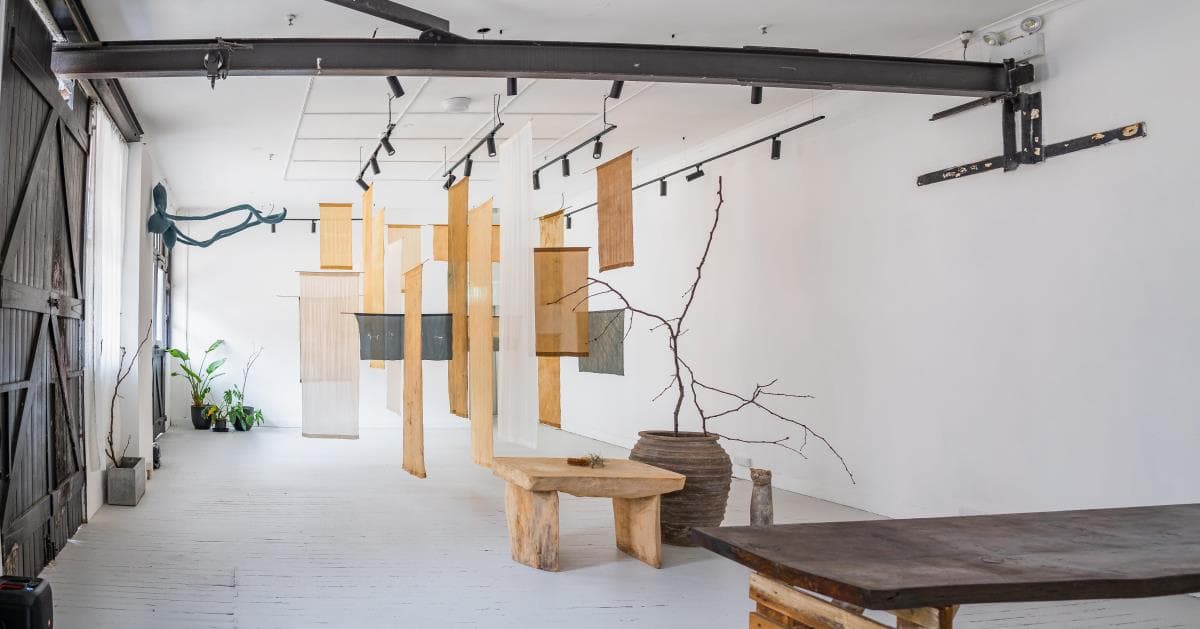
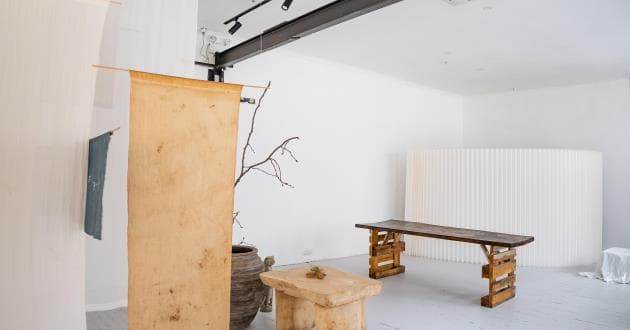
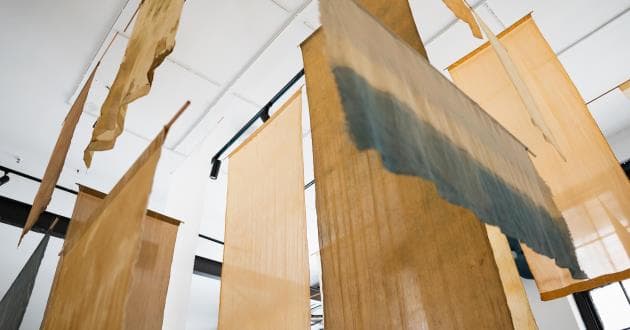
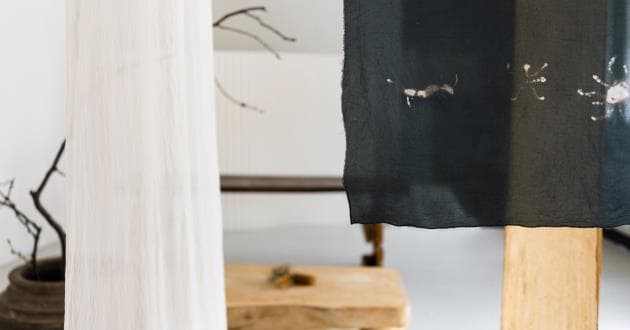
An immersive installation of suspended, naturally dyed textiles that creates a walk-through landscape of soft layers, organic color gradients, and raw materials. Hand-dyed fabrics with irregular edges interact with wood, ceramic, and bare branches, balancing lightness and weight. The space invites slow movement and quiet observation, celebrating process, imperfection, and natural rhythm.
Contact KuluKabi
Usually responds within 24 hours
Packages, Menus & Offers
Please note, that pricing and inclusions may be subject to change without notice. We recommend confirming with the listing prior to booking to ensure you have the most up-to-date information.
Pricing, Hours & Availability
Room Layouts & Capacity
Amenities & Extras
Food & Beverage
Audio Visual Equipment (AV)
Other Amenities & Extras
 Reviews for KuluKabi

Evon F.
The studio is a bit of a hidden gem, right in a central spot of Redfern. But once you’re inside, it feels calm and tucked away from everything. Franz and his partner Thompson hosted us the tea experience, and you can tell a lot of care went into it. It felt relaxed, personal, and genuinely welcoming rather than overly formal. What made it even more special was the hands-on scarf dyeing using plant-based colours. It wasn’t just something to watch. You actually get involved, which made the whole visit more memorable. Overall, a really unique place to spend a few hours, thoughtful, creative, and quietly special.

lulin guo
such a hidden gem in chippendale! the studio has a beautiful minimalist and claming aesthetoc. i had an amazing time learning about the art of plant dyeing _the process is so therapeutic and the natural colors are just stunning .its a prefect a place to disconnet and get creative for a few hours. highliy recommend for anyone looking for a unique,hands on experience in sydney!

Faye Tan
I had such a wonderful experience at this natural plant dye studio. The group event was not only fun but also incredibly enriching, with plenty of knowledge shared about plant-based dyeing techniques and materials. I really appreciated that all the ingredients used were natural and non-toxic, which made the whole process feel both safe and meaningful. One of the highlights was being able to take home our own handmade pieces at the end, and it made the experience feel complete and personal. The studio itself is beautifully designed, with a refined wabi-sabi aesthetic that uses natural materials in a calm, tasteful way. It’s a space that instantly puts you at ease and inspires creativity. The studio owner is both highly knowledgeable and genuinely warm, making everyone feel welcome regardless of skill level. You can tell they are passionate about what they do. I’m already looking forward to coming back for another session!

CQ C
A Hidden Gem for Authentic Batik and Tie-Dye! I had an incredible experience today discovering this hidden gem right in the heart of the city. It is a perfect "urban sanctuary"—peaceful, stylish, and full of character. What sets this studio apart is their dedication to authentic, natural methods. They use a completely organic fermentation process for the dye, "nurtured" from Isatis root (Ban Lan Gen) and soda ash. Even the wax is imported from Indonesia; when heated, it releases a beautiful, calming scent of pine resin. You can truly feel the soul of traditional craftsmanship in every detail. The instructor is exceptionally skilled and professional. They have a knack for breaking down complex techniques into simple, easy-to-understand steps. The atmosphere was relaxed and enjoyable—there was a perfect balance between learning the technical foundations and having the creative freedom to experiment with my own ideas. I walked away with a huge sense of accomplishment and a unique, handmade piece that I’m proud to take home. If you’re looking to learn a new skill or simply want a creative escape from the city hustle, I cannot recommend this place enough. A truly fulfilling and high-quality experience!

L4 Z
Yesterday, I attended an afternoon workshop at KuluKabi Studio in the city centre of Sydney. During the session, I learned how to create traditional wax-dye (batik) using eco-friendly methods. All the dyes were derived from natural sources, including eucalyptus leaves and the roots of Isatis tinctoria (a traditional Chinese medicinal plant known as Banlangen). Under the guidance of the instructor, we explored a variety of techniques, including tie-dye and wax-resist dyeing. The process was not only fascinating but also surprisingly easy to pick up. By the end of the workshop, I had created two scarves to take home. The entire atmosphere was incredibly calming and elegant. Each of us used beautifully crafted, rustic Chinese tea sets, and the soft, tranquil background music made the experience even more relaxing. It was truly a memorable and enriching experience.