

Written by: Cara Tirona
May 27, 2026
A product launch is one of the most exciting—and high-stakes—moments in a brand’s journey. Done right, it creates buzz, builds loyalty, and drives early sales. Done wrong, it can cost you time, money, and credibility. To help you avoid common pitfalls, here’s a guide to what not to do when planning a product launch event and how to set your launch up for success.
Table of Contents
Not Defining Clear Goals for Your Product Launch
One of the most crucial mistakes in planning a product launch is neglecting to define clear goals. Goals serve as your roadmap, giving direction to every aspect of your launch strategy. Without them, your efforts can quickly become disjointed and ineffective, failing to achieve the desired impact.
Why Clear Goals are Essential
- Measure Success: Specific goals provide benchmarks to evaluate the success of your launch. Whether you're aiming for a certain number of sales, media mentions, or customer feedback, clearly defined targets allow you to measure outcomes effectively.
- Align Your Team: A goal-oriented approach ensures that everyone involved in the launch—from marketing to sales to PR—knows what they're working towards. This promotes collaboration and maximises the efficiency of your resources.
- Drive Strategic Decisions: With clear goals in place, it becomes easier to make informed decisions about budget allocation, marketing channels, and promotional tactics. You'll be better equipped to create strategies that are aligned with your objectives.
- Lack of Purpose Hurts Performance: If you’re launching without knowing what success looks like, you’re already at a disadvantage. Are you aiming to drive pre-orders? Build awareness? Attract media?
- Skipping KPIs and Success Metrics: Without measurable goals, it’s hard to evaluate the event’s ROI. Always define KPIs like attendance, press coverage, social engagement, or lead conversions.
- Misaligned Messaging: Unclear goals often lead to unclear messaging. Make sure your team, event host, and materials all speak to the same purpose.
Choosing the Wrong Venue for Your Product Launch Event
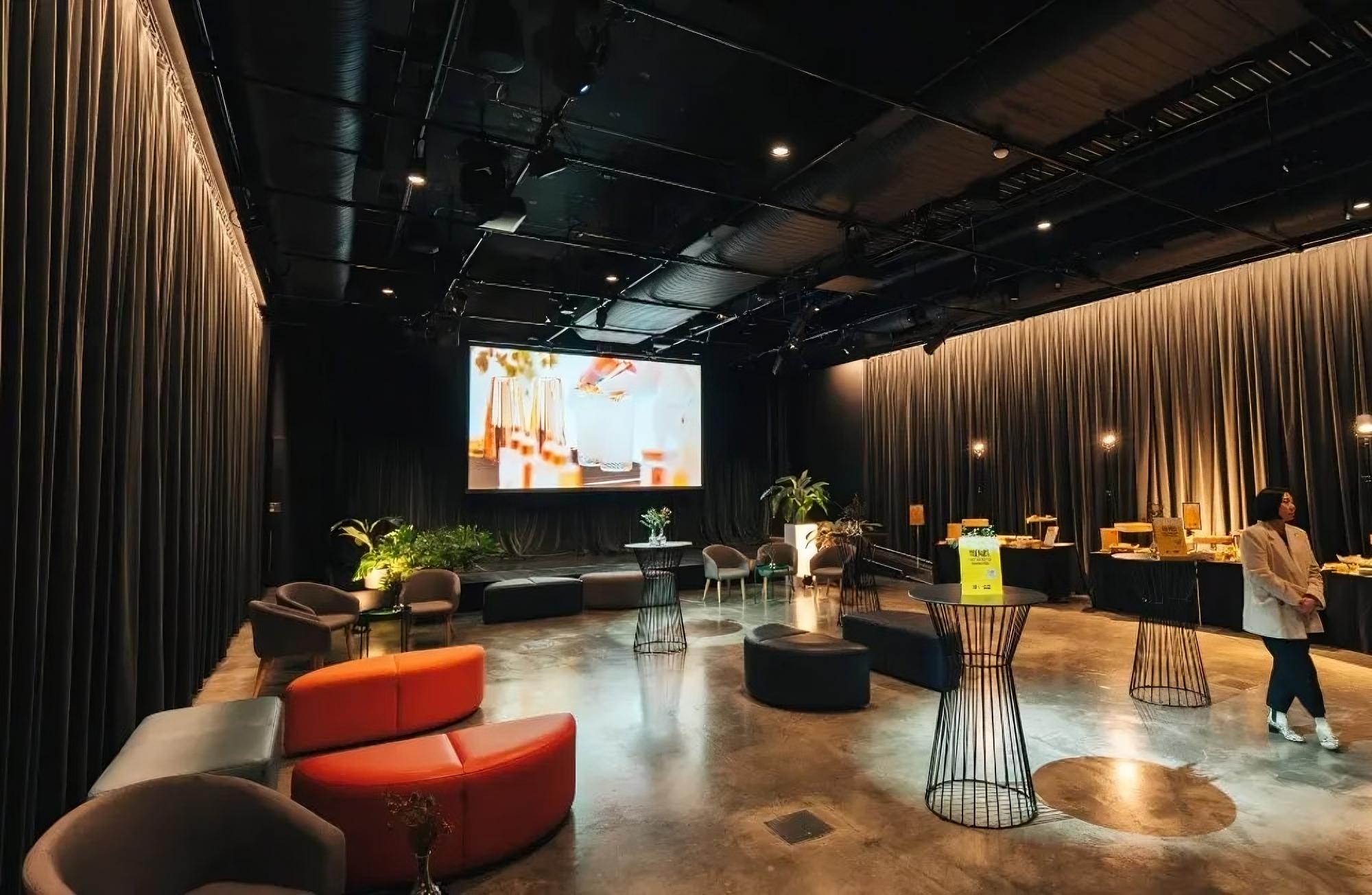
Selecting the appropriate venue for your product launch is more than just picking a location—it's about choosing a stage that complements your brand and enhances the event experience. Choosing the wrong venue can sabotage your launch in numerous ways, from logistical nightmares to brand misalignment.
Considerations for Venue Selection
- Capacity and Layout: Ensure the venue can comfortably accommodate your expected number of guests without feeling cramped or too sparse. The layout should facilitate smooth flow, allowing guests to move freely between areas like the presentation stage, product displays, and networking zones.
- Location and Accessibility: Choose a venue that is easily accessible for your target audience. A central location with good transport links will encourage attendee turnout. Consider factors such as parking, public transport, and accessibility for guests with disabilities.
- Brand Alignment: The venue should reflect the essence of your brand. A high-tech product might launch successfully in a modern, innovative space, whereas a luxury item may require an opulent, sophisticated setting. Align the venue with the image you wish to project.
- Technical Capabilities: Ensure the venue is equipped with the necessary technical capabilities to support your presentation needs, including high-quality audio-visual equipment, reliable internet connectivity, and accommodating electrical setups. Test all equipment ahead of time to prevent any last-minute technical hiccups that could detract from your product's introduction.
Not Touring the Space in Advance
It’s risky to book a venue sight unseen. You need to understand lighting, flow, and acoustics to plan properly. By visiting the venue beforehand, you can identify potential issues that may not be apparent from a brochure or online photos. Here’s why a site tour is crucial:
Important Aspects to Check During the Tour
- Lighting Conditions: Good lighting is essential for creating the desired ambience and ensuring visibility during presentations and product demonstrations. Assess whether the existing lighting aligns with your theme and if additional lighting solutions are necessary. Test different lighting settings to see how they impact visibility and mood.
- Flow and Layout: Physically walking through the space allows you to visualise the attendee journey and identify any potential bottlenecks. Consider the positioning of stages, seating, registration desks, and product displays to ensure a logical and unobstructed flow for your guests.
- Acoustic Quality: Poor acoustics can significantly detract from the impact of your presentation. Evaluate the sound quality in the space and determine if additional soundproofing or audio equipment is necessary to keep presentations clear and engaging.
- Access Points and Logistics: Check for sufficient entries and exits to manage crowd flow efficiently and ensure safety. Also, familiarise yourself with loading docks and storage areas, which will be crucial for moving in exhibition materials and product prototypes smoothly.
- Internet Connectivity: Reliable Wi-Fi is essential for not just your team but also for attendees who wish to engage digitally, post about the event, or stream it online.
- Aids in Risk Management: Identifying potential issues early allows you to mitigate risks. Walkthroughs help detect problematic features such as uneven flooring, accessibility challenges, or inadequate facilities, which could otherwise result in negative attendee experiences. An early assessment helps avoid surprises and allows for contingency planning.
Underestimating the Importance of Timing and Promotion
A well-planned timeline and promotional strategy are critical to the success of a product launch. Miscalculating the timing or neglecting to adequately promote the event can lead to missed opportunities and lacklustre attendance. Here’s what to consider:
Timing is Everything
- Market Readiness: Align your launch with market demand and readiness. Releasing a product without considering current market trends or consumer needs can result in poor reception and low sales. Conduct thorough market research to understand the best time to introduce your product.
- Avoiding Conflicts: Ensure your launch date does not conflict with major holidays, industry events, or competitor launches. Competing for attention during such periods can dilute your impact. Select a date that allows your event to stand out in your audience’s calendar.
- Seasonal Relevance: Depending on your product, launching during a specific season can be advantageous. For instance, launching summer products in spring ensures they are front-of-mind when consumers are making relevant purchasing decisions.
- Lead Time for Preparation: Give yourself adequate time to iron out all logistical details and create buzz around the launch. Last-minute scrambles can lead to ensuring all elements are polished and professional. Proper lead time allows you to manage unforeseen challenges in production, marketing, or distribution without disrupting the launch date or compromising quality.
- Time of Day and Audience: Schedule your launch when your audience is most likely to attend. Mornings might work for professionals; evenings for creatives. Opt for a time that accommodates the largest segments of your target market or consider multiple launches for different regions.
Last-Minute Planning
Short lead times limit your ability to secure media, finalise partnerships, and drive registrations. Start planning 2–3 months ahead. Waiting until the last minute to plan your product launch can lead to a cascade of unnecessary stress and missed opportunities.
Your Comprehensive Guide to Planning a Last-Minute Event
Weak Promotional Strategy
A lacklustre promotional strategy can have a detrimental impact on your product launch, preventing your target audience from ever becoming aware of your new offering. To avoid this pitfall, it's crucial to establish a well-rounded marketing plan that leverages both traditional and digital channels. Utilise social media, email marketing campaigns, press releases, and influencer partnerships to create buzz and reach your intended consumers. Tailor your messaging to highlight the unique selling points of your product, ensuring it's compelling and resonates with potential customers. Additionally, measure the effectiveness of different strategies by analysing engagement metrics and be prepared to pivot if certain tactics aren’t delivering the desired results. A strong promotional backbone not only generates excitement but also maximises the reach and impact of your product launch.
Forgetting to Prioritise Guest Experience
Overlooking the guest experience during your product launch is a common mistake that can hinder the overall success and reception of your new product. An exceptional guest experience goes beyond offering refreshments and freebies; it starts with creating a welcoming and engaging atmosphere that captivates attendees from the moment they arrive.
Lack of Clear Signage and Flow
A successful event requires attendees to navigate the venue with ease, which starts with having clear and effective signage. Inadequate or confusing signage can leave guests feeling disoriented and frustrated, distracting them from the product you're launching. To avoid this, ensure that signs are strategically placed at key decision points throughout the venue to guide guests seamlessly from one area to the next. From registration to product demos, guests need to know where to go. Poor layout planning leads to confusion and frustration. Make sure that directional signs are bold, easy to read, and consistently branded to maintain a cohesive look and feel. Additionally, consider the flow of the event space when setting up stations or displays; allow for ample space for movement to prevent bottlenecks and overcrowding. A well-planned layout with clear signage not only enhances the guest experience but also ensures that your audience can focus on what truly matters—the excitement of your new product.
Boring or Overpacked Agendas
A common pitfall in product launches is creating an agenda that is either too monotonous or overwhelmingly packed with activities. A dull agenda fails to captivate the audience, causing them to lose interest, while an overcrowded schedule leaves them feeling overwhelmed and unable to enjoy or absorb the key messages. Striking the right balance is crucial; aim to craft an agenda that intersperses informative segments with engaging activities, allowing attendees ample time for breaks and networking. A 3-hour event with nothing but long speeches won’t engage attendees. Balance your schedule with energy-boosting segments like Q&As, networking, or entertainment. Variety is key—incorporate interactive sessions, live demonstrations, and panel discussions to keep the audience engaged and interested. Additionally, ensure the agenda allows flexibility for spontaneous interactions and adjustments, as this can often lead to valuable insights and collaborations. By carefully curating a diverse and well-paced agenda, you can maintain excitement and focus on your new product, leaving a lasting impression on your attendees.
No Takeaway or Follow-Up
Don’t let the event be a one-time moment. Send follow-up emails, recap videos, or samples to continue the momentum. Ensuring a lasting impression on your audience goes beyond the initial launch day; it requires strategic planning to maintain engagement and foster a relationship with potential customers and stakeholders.
Skipping Technical and AV Planning
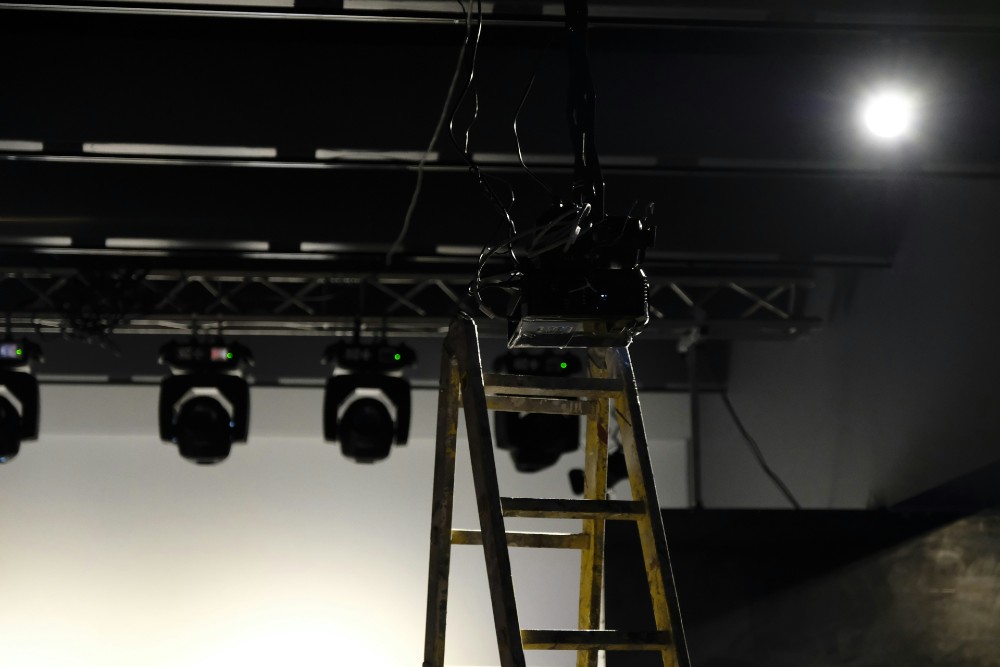
In the excitement of planning the perfect product launch, it's easy to overlook one of the most critical components: technical and audiovisual (AV) planning. However, neglecting this aspect can turn even the most meticulously planned event into a chaotic and unprofessional affair. The success of your presentation heavily depends on seamless technical execution, which captivates the audience and holds their attention.
Assuming the Venue Will Handle It
If you assume that the venue will handle all your technical and AV needs without a hitch, you may be setting yourself up for disappointment. While many venues offer some level of support, relying solely on their in-house team can lead to unexpected challenges and limitations. It's pivotal to get involved actively in the technical setup and AV logistics. Collaborate closely with the venue staff to understand what they are capable of and identify any potential gaps in service. Consider hiring a dedicated AV team that can manage equipment specific to your needs, such as microphones, projectors, and lighting, ensuring everything aligns with your event's requirements. Test all equipment thoroughly before the launch to troubleshoot any issues early on. By taking a proactive approach, you minimise risks and ensure a polished and professional presentation, avoiding technical glitches that could detract from the impact of your product launch.
Not Testing Equipment
Mic not working? Slides off-centre? Technical issues can make even the best launches feel amateur. Run a full tech rehearsal before the event. Make sure you schedule adequate time for a complete test run, ideally in the actual venue with the same equipment you’ll be using on the day of the event. This rehearsal should mirror the actual launch as closely as possible, including testing all microphones, projectors, lighting, and any other necessary technical equipment.
Forgetting Backup Plans
Always have contingency plans for key elements—backup mics, battery packs, or pre-recorded demos. Unexpected technical failures can happen at any moment, and having a robust backup plan is essential to navigate these situations smoothly. The key to a successful backup strategy is thorough preparation and understanding of all crucial components that could potentially fail. Start by identifying the essential elements of your launch, such as audio systems, visual displays, internet connections, and any digital content playback tools. For each of these, devise alternatives that can be quickly deployed without causing significant delays.
Conclusion: Avoid the Pitfalls, Plan for Impact
A successful product launch requires more than a good idea and a great product—it demands clear goals, careful planning, and a flawless guest experience. Avoiding these common mistakes puts your brand in a stronger position to make a lasting impression.
Need the perfect space for your product launch? Use VenueNow to find, compare, and book a venue that ensures your event runs smoothly and reflects your brand.
Need a venue for your product launch? Check out our venues in these areas: Sydney, Melbourne, Canberra, Perth, Brisbane, Gold Coast, Adelaide
Looking for an event venue to hire?
VenueNow has you covered with over 2,000 venues across Australia ranging from large event spaces to small meeting rooms. Find your perfect venue for hire faster than anywhere else.




Follow us on social media to stay up to date with the latest news
Customers
Want to get in contact?
Call our support team on 1300 647 488 during business hours AEST.
Follow Us
© Copyright VenueNow 2026 | SPARE GROUP PTY LTD | ABN 22 607 830 302