

Written by: Cara Tirona
May 13, 2026
Weddings are a beautiful blend of past and present, but not every tradition needs to be followed to the letter. As couples increasingly opt for more meaningful, personalised celebrations, it’s perfectly acceptable to pick and choose which wedding traditions to honour—and which to reimagine. In this guide, we’ll walk through popular wedding traditions you can keep, update, or skip altogether depending on your style and values.
Classic Wedding Traditions That Are Still Loved Today
When it comes to weddings, some traditions have withstood the test of time, not just because they are rooted in history, but also because they continue to add a touch of magic and sentimentality to the occasion. Whether it's the emotional impact or the joy they bring to both the couple and their guests, here are a few classic wedding traditions that many still cherish today:
The First Dance
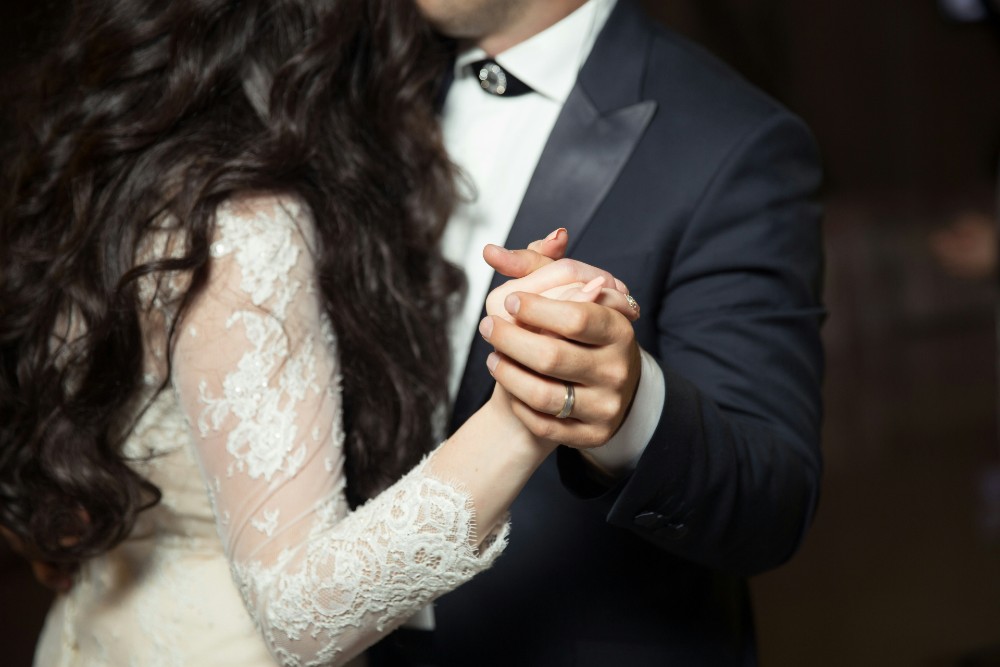
The first dance as a married couple is a moment cherished by many. This tradition allows the newlyweds to share a quiet moment amidst the buzz of a wedding, creating a private experience within a public event. For some, it’s a classic waltz, while others might sway to a song that holds a special place in their hearts. This tradition can be a wonderful opportunity to inject personality into the celebration, whether you opt for a choreographed number or a spontaneous sway.
Cutting the Cake
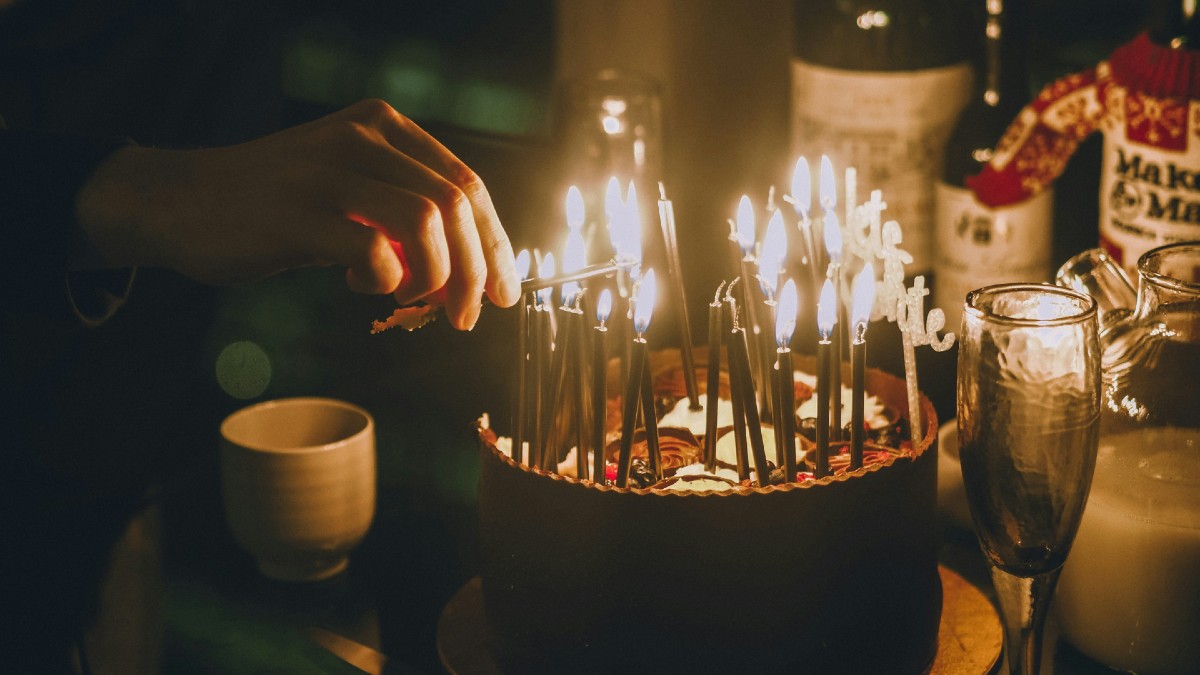
Cutting the wedding cake is a tradition that symbolises the first task that the married couple performs together. It’s a sweet culmination of the wedding feast and often serves as a delightful photo opportunity. Modern couples are giving this tradition their twist—some are opting for cupcakes, doughnut towers, or even a cheese wheel in lieu of the traditional tiered cake to better reflect their personalities and tastes.
The First Look at the Aisle
There's a certain magic associated with the groom seeing the bride for the first time as she makes her way down the aisle. It’s a moment brimming with anticipation and emotion, not just for the couple but also for everyone witnessing the event. The traditional first look at the aisle signifies the culmination of the journey to the wedding day and captures the raw emotions shared between two people deeply in love.
For couples who treasure this tradition, it serves as an authentic, storytelling moment—one that allows the groom to connect with the emotion and gravity of the commitment he is about to make. As the bride takes each step forward, the world seems to pause, creating a sacred space where nothing else matters but the love that binds them.
Walking Down the Aisle with a Parent
Many still cherish this symbolic moment. Whether it's with a father, mother, or both parents, it remains a meaningful part of the ceremony. This tradition represents a transition, a moment where parents lead their child to a new chapter in life. It's a powerful tribute to family bonds and the journey that has brought the couple to this significant moment.
While traditionally the father walks the bride down the aisle, modern weddings often reflect the unique dynamics of the couple’s family. Some brides choose to be escorted by both parents, emphasising the influence and support of their mothers as well. Others might walk alongside a sibling, grandparent, or someone who has played a pivotal role in their life.
Wedding Traditions You Can Modernise
Wedding traditions have served as the cornerstone of ceremonies around the world, often revered for their sentimental value and the narratives they represent. However, modern couples are increasingly choosing to adapt these traditions, infusing them with contemporary elements that better reflect their individuality and current societal norms. Whether it's to enhance inclusivity, reflect personal beliefs, or simply update the celebrations to suit modern tastes, there’s no shortage of ways to breathe new life into time-honoured practices. Here are a few classic traditions that you can modernise to make your wedding a true reflection of who you are as a couple.
Modern Vows with a Personal Touch
Traditionally, wedding vows have been recited from standard religious or civil texts. However, many couples today are choosing to write their own vows. This modernisation allows the couple to personalise their promises, making them a unique reflection of their relationship. Writing personal vows gives the bride and groom an opportunity to express their feelings in their own words, making the moment even more poignant and memorable. Including personal anecdotes, promises of adventure, or commitments to support each other in specific ways can resonate deeply not only with the couple but also with their guests, creating an intimate atmosphere during the ceremony.
The Ring Exchange
The exchange of rings has long been a central element of the wedding ceremony, symbolising eternal love and commitment. Traditionally, rings are simple bands made of precious metals, serving as an unbroken circle of devotion that marks the bond between two people.
However, like many wedding traditions, the ring exchange can be personalised to better reflect the couple's unique connection. Some couples choose rings with engravings—perhaps a meaningful date, a shared motto, or a line from a favourite poem. Others opt for rings that incorporate stones or materials that hold significance, such as a birthstone, heirloom jewel, or even a single diamond with a personal story.
The Bouquet Toss
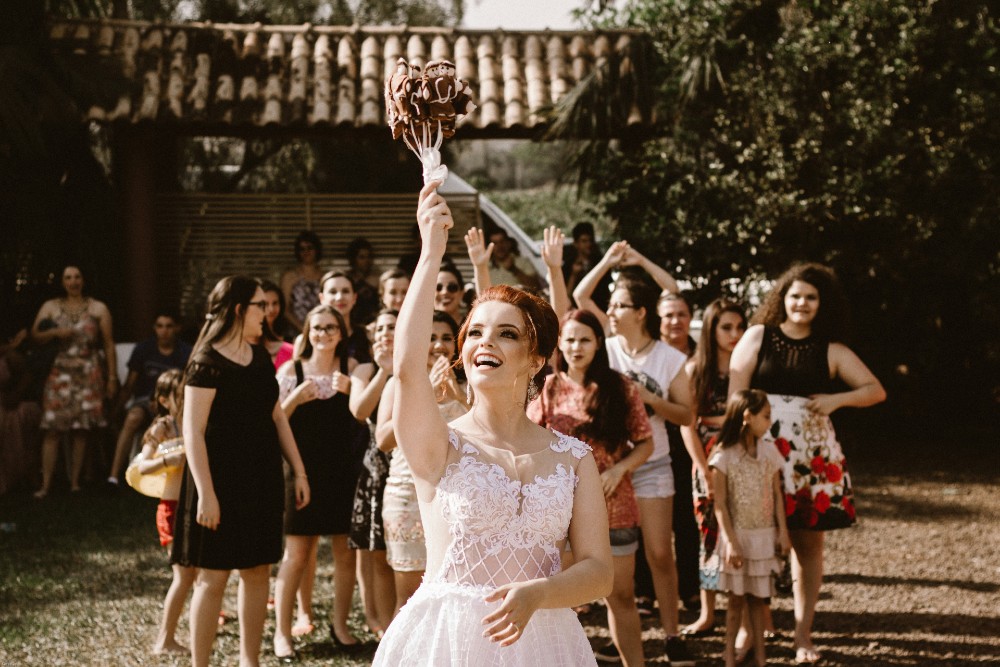
The bouquet toss is a time-honoured tradition that often stirs excitement among single women at a wedding. Traditionally, the bouquet toss is meant to symbolise the passing of luck or the promise of a future wedding. However, not everyone is eager to partake in it, and modern couples are finding creative alternatives to this tradition. Not everyone wants to participate, and that’s okay. You could swap it for a “flower giveaway” or invite all guests to the dance floor for a fun twist.
Bridal Party Roles
Today’s bridal parties often include mixed genders and roles. Your best friend can stand beside you, no matter their title or traditional role. This shift towards inclusivity allows couples to honour the most important people in their lives without being confined by gender stereotypes. It’s not uncommon to see "bridesmaids" and "groomsmen" replaced with "attendants," "best people," or other gender-neutral terms.
The traditional bridal party structure, which typically involves uniformity in attire and specific duties for each role, is also evolving. Couples are now embracing individuality, allowing their bridal party members to choose their own outfits within a specific colour scheme or style guideline. This not only gives each person the freedom to express their personality but also creates a vibrant visual array that reflects the diversity of the relationships shared with the couple.
Wedding Entourage
The wedding entourage, traditionally composed of bridesmaids, groomsmen, flower girls, and ring bearers, has long been a part of many cultures' matrimonial customs, symbolising support and companionship on the couple's special day. However, modern couples are increasingly choosing to personalise their entourage by expanding or redefining these roles. Whether it's including beloved pets, having a mixed-gender party, or opting for no official entourage at all, the focus is often on those who hold meaningful places in the couple's lives, rather than adhering to strict traditional roles. This personalisation not only reflects the couple's individual tastes and relationships but also serves to create a wedding atmosphere that feels authentic and inclusive, enhancing the overall celebration of love and unity.
Something Old, New, Borrowed, and Blue
The charming tradition of incorporating "something old, something new, something borrowed, and something blue" into a bride's wedding attire is a sentimental way to bridge the past, present, and future. Each element symbolizes a piece of good fortune: "something old" connects the bride with her family and past; "something new" signifies hope and optimism for her new life; "something borrowed" is often an item from a happily married friend or relative whose happiness is expected to carry over to the bride; and "something blue" represents fidelity and love. While some brides adhere to this tradition in a traditional sense, others give it a personalised twist by selecting items that hold unique significance to their personal story or relationship. This allows for a celebration that feels both custom and deeply meaningful, whether it’s incorporating a vintage heirloom, showcasing a newly crafted accessory, choosing a borrowed book of romantic poems, or sporting a blue pin that subtly ties into the wedding theme.
Traditions You Can Skip (If You Want To)
When planning a wedding, many couples feel the weight of tradition dictating what should or shouldn't happen on their special day. However, times have changed, and so have many couples' desires for what their wedding should embody. Tradition can add a beautiful touch of nostalgia and charm, but it’s important to remember that not every tradition fits every couple. If any ritual doesn’t resonate with you, feel free to skip it. Here are some traditions that you can happily leave behind to craft a more personal and meaningful celebration.
The White Wedding Dress
The white wedding dress is an iconic symbol in many cultures, representing purity and new beginnings. However, this tradition is not a necessity for all brides. With evolving social norms and personal preferences, many brides are opting for dresses in their favourite colours, or even non-traditional gowns such as jumpsuits or cultural attire that reflects their heritage. The idea is to wear something that makes you feel comfortable and beautiful, no matter the colour or style.
Matching Bridesmaid Dresses
Matching bridesmaid dresses are a hallmark of the traditional wedding aesthetic, often showcasing a uniform look that complements the bridal gown and the overall theme of the wedding. However, the pressure to have bridesmaids dressed identically is being re-evaluated. Today's bride is more likely to embrace individuality, allowing each bridesmaid to select a dress that suits her personal style, body type, and comfort level. Gone are the days of identical gowns. Let your bridal party express themselves within a colour palette or theme.
The key to this modern approach is cohesion, rather than conformity. Some brides choose a specific colour palette or fabric and let each bridesmaid choose a design that fits within those parameters. This not only enables each member of the bridal party to select a dress that they feel comfortable in, but it also contributes to an eclectic yet harmonious visual ensemble.
The Ring Warming
The ring warming ceremony is a heartfelt way to include your guests in your wedding, allowing them to impart their love and well wishes on your marriage bands before they are exchanged. Traditionally, the rings are passed among guests, giving each person an opportunity to hold them for a moment and instil their best thoughts or prayers for your union. However, as charming as this may sound, it doesn't suit every couple or setting. For intimate weddings or venues with a more relaxed atmosphere, it works beautifully. But in larger or more formal gatherings, it may become logistically complicated and time-consuming. If you’re looking to include a ring warming but wish to avoid having each guest physically handle the rings, consider placing the bands on display at the entrance, along with a book or cards where guests can write their blessings. This adaptation maintains the sentimental aspect of the tradition while ensuring a smooth ceremony flow. You could also opt for a symbolic gesture, such as having family members and friends offer a silent intention or prayer at the start of the ceremony. Alternatively, consider creating a designated "wish table," where guests can leave written messages or blessings on small cards next to the rings as they arrive at the ceremony.
The Garter Toss
This tradition, which involves the groom removing the garter from the bride's leg and tossing it to a group of bachelors, has its roots in centuries-old superstitions. Originally, it was believed that owning a piece of the bride's outfit would bring good luck. However, many modern couples find this custom outdated and somewhat uncomfortable. Instead of the garter toss, some couples are opting for more meaningful alternatives that offer a personal touch. For instance, a special dance or intimate toast can create a memorable experience that is more inclusive and celebratory. Other couples choose to have a bouquet presentation or a personal tribute to honour their close friendships and family ties.
The First Look
The "first look" tradition has become increasingly popular among modern brides and grooms who seek a moment of intimacy before the whirlwind of the wedding ceremony. Unlike the traditional custom where the couple first sees each other when the bride walks down the aisle, a first look allows the couple to spend a few private moments together, soaking in the gravity and excitement of the day. This staged yet spontaneous encounter often takes place in a picturesque setting, ideal for capturing candid and emotional reactions through photography. It provides the opportunity for genuine, heartfelt moments that are sometimes hard to achieve when surrounded by a crowd of guests during the ceremony.
Being ‘Given Away’
The act of being ‘given away’ traditionally involves a father or parent walking the bride down the aisle, symbolising the transfer of responsibility to the groom. However, as societal norms have evolved, many couples are redefining this moment to better represent their values and relationship dynamics. Some couples feel this tradition is outdated. Instead, they choose to walk in together or greet guests side-by-side at the start of the ceremony.
For those who wish to maintain a semblance of this tradition while adapting it to modern sensibilities, there are various alternatives. Some brides opt to be accompanied by both parents or a significant figure in their life who has played a pivotal role. This can make the moment more inclusive and meaningful, honouring the influence and support of multiple loved ones.
Wedding Speech Guide: What to Say, When to Say It & How Long
Communicate Early and Openly
Family members may have strong feelings about tradition. Share your plans early and explain what’s meaningful to you. It's important to express your vision for the day while also showing respect for others' perspectives. Encourage a dialogue where everyone feels heard, and be patient as you work through any differences together. Sometimes, simply understanding each other's viewpoints can ease tensions and lead to creative compromises that honour both tradition and personal preference.
Know Your Non-Negotiables
When planning your wedding, it’s crucial to identify the elements that are most important to you and your partner. These are your non-negotiables, the traditions or modern touches that you feel must be included to make your wedding day uniquely yours. By knowing your non-negotiables, you can confidently communicate these priorities to your family early on. This will help set clear boundaries about what aspects you are willing to compromise on and which ones you are not.
Consider creating a list with your partner that clearly outlines these must-have elements. Whether it’s a specific ritual, a unique venue, or a particular type of music, having a written record will help articulate your needs during discussions with family members. Acknowledging your non-negotiables also allows you to focus on finding agreeable solutions for the remaining components of your wedding, making room for both tradition and creative innovation.
Seek Compromise with Open Ears
If skipping a tradition might upset someone important, finding a balance between their wishes and your style can help maintain harmony. Start by listening to their reasons for cherishing a particular tradition. Understanding their perspective can provide insight into why it holds significance, which can be the key to crafting a suitable compromise. Once you have a clear understanding of what the tradition means to them, brainstorm ways to incorporate the essence of it into your wedding in a way that aligns with your vision. For instance, if a certain cultural dance is crucial for your family but doesn't fit the vibe you're going for, consider including a shorter, more modern version during your reception. This adaptation allows you to honour the tradition while maintaining the atmosphere you desire.
Remember: It’s Your Day
Ultimately, your wedding day is a celebration of your unique love story. While incorporating traditions and meeting familial expectations can be integral parts of the planning process, it's essential to remember the day is about you and your partner. At the end of the day, your wedding should reflect you as a couple. Stay respectful, but stand by your decisions if they align with your values.
Conclusion: Your Wedding, Your Way
Wedding traditions can add meaning, beauty, and structure—but only if they align with your values and style. Keep the ones you love, modernise those you like, and feel free to skip the rest. With the right venue and thoughtful planning, you’ll create a day that’s as unique as your love story.
Ready to find the perfect space for your ceremony or reception? Use VenueNow to browse, compare, and book unforgettable wedding venues across Australia.
Looking for venues for your wedding? Check out our guides in these areas: Sydney, Melbourne, Canberra, Gold Coast, Perth, Brisbane, Adelaide
Looking for an event venue to hire?
VenueNow has you covered with over 2,000 venues across Australia ranging from large event spaces to small meeting rooms. Find your perfect venue for hire faster than anywhere else.








Follow us on social media to stay up to date with the latest news
Customers
Want to get in contact?
Call our support team on 1300 647 488 during business hours AEST.
Follow Us
© Copyright VenueNow 2026 | SPARE GROUP PTY LTD | ABN 22 607 830 302