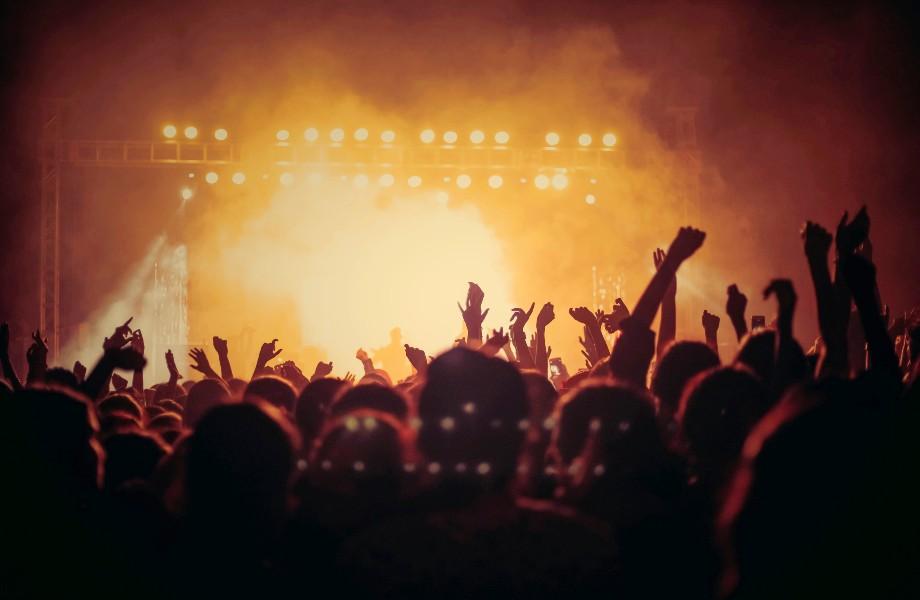
Hire the Best Concert Venues in Brisbane
Find, compare and book the best concert venues Brisbane has to offer with VenueNow, Australia's #1 venue hire experts.
Browse Brisbane Concert Venues for Live Music & Gigs
Planning a live show in Brisbane? Whether you're organising an intimate gig, an album launch or a large-scale performance, you'll find plenty of Brisbane concert venues to suit your event. From live music bars and warehouses to theatres and dedicated performance spaces, there are concert venues in Brisbane for every crowd and genre. Browse venues, compare capacities and facilities, and book the perfect stage for your next show.

Rotunda at Newstead House & Newstead Park
Wedding Venue ●
Newstead QLD
Palm Tree Court at Roma Street Parkland
Function Venue ●
Brisbane City
Exclusive Hire (All areas combined) at The Sebel Brisbane
Hotel ●
Brisbane City
Full Venue Exclusive at Lina Rooftop
Restaurant ●
West End QLD
The Locker Room at The Milton Rooftop and Sports Bar
Function Venue ●
Brisbane City
Roosevelt Function Space at Pullman Brisbane King George Square
Hotel ●
Brisbane City
North Lawn at Post Office Square
Function Venue ●
Brisbane City
The Leichhardt Room at The Alliance Hotel
Pub ●
Brisbane City
Riverview Lawn at Newstead House & Newstead Park
Wedding Venue ●
Newstead QLD
Flying Duck at Roma Street Parkland
Function Venue ●
Brisbane City
Brisbane Concert Venue Hire Guide
Planning a live show in Brisbane? Whether you're organising an intimate acoustic gig, a local band night, an album launch or a larger ticketed concert, the venue can make or break the experience.
The best Brisbane concert venues aren't simply rooms with a stage. You need the right capacity, acoustics, production facilities, backstage areas and access for artists, crew and equipment.
From dedicated music venues and theatres to bars, function spaces and outdoor locations, here's what to consider when finding the right venue for your concert.
What to Look for in a Concert Venue in Brisbane
Start with the basics: how many tickets do you realistically expect to sell? Choosing a venue that's too small can create crowding and operational headaches. Go too large and even a healthy audience can make the room feel half-empty. But capacity is only the beginning. When comparing concert venues in Brisbane, check the stage dimensions, sound system, lighting, acoustics, backstage facilities, loading access and noise restrictions. You'll also want to know what equipment and technical staff are included in the venue hire and what you'll need to organise separately.
Best Areas for Concert Venues in Brisbane
When planning a concert in Brisbane City, consider the neighbourhoods that offer unique vibes and infrastructure geared toward live performances. Here are some standout areas to explore:
Fortitude Valley
Fortitude Valley is one of Brisbane's best-known nightlife and entertainment precincts, making it a natural place to start your venue search. You'll find everything from intimate live music spaces and bars to larger performance venues, with plenty of restaurants, bars and public transport nearby. It's particularly convenient for gigs where you want audiences to stay in the area before or after the show.
Brisbane CBD
Brisbane CBD works well for concerts where accessibility is a priority. Public transport, parking and nearby accommodation can make it easier for audiences and touring artists to get to and from the venue. You'll find hotels, function spaces and performance venues suitable for different event sizes.
South Brisbane and South Bank
South Brisbane and South Bank are worth considering for theatre-style performances, acoustic shows and cultural events. The area has strong public transport connections and plenty of nearby restaurants and bars, making it easy for audiences to turn the concert into a full night out.
Woolloongabba
Woolloongabba offers another alternative to the CBD and Fortitude Valley, with a mix of larger event spaces, pubs and smaller venues. It can work particularly well if you're looking for a venue outside Brisbane's busiest nightlife precincts while staying relatively close to the city.
Spring Hill
Spring Hill is close to the CBD and suits smaller concerts, acoustic performances, and intimate events. Choose this option if you don't need the capacity or late-night atmosphere of a larger music precinct.
Types of Brisbane Concert Venues
Here’s a closer look at some of the most popular types of concert event venues in Brisbane:
Dedicated Live Music Venues
A purpose-built or established live music venue can make organising a concert considerably easier. These venues may already have a stage, PA system, lighting, mixing desk and technical staff, which means fewer suppliers and less equipment for you to organise. They're well suited to bands, DJs, album launches and ticketed live performances.
Theatres and Auditoriums
Theatres and auditoriums are a strong choice for seated concerts, classical music, acoustic performances and shows where sound quality and sightlines are particularly important. They may also provide dressing rooms, backstage areas, fixed seating and professional production facilities.
Bars and Clubs
Bars and clubs work well for smaller gigs, emerging artists and events where you want the concert to feel energetic and informal. Before booking, check whether the venue provides its own PA and sound engineer, whether the bar remains open throughout the performance and whether your event will have exclusive use of the space.
Function and Event Spaces
A function space can give you more freedom over your stage, audience layout and overall event design. The trade-off is that you may need to bring in more production equipment yourself. Get a complete quote for staging, sound, lighting and technical staff before deciding whether a blank space really is the cheaper option.
Outdoor Venues
Outdoor spaces can work brilliantly for larger concerts, community performances and music festivals, but they require more planning. Consider weather protection, temporary staging, power, sound restrictions, toilets, fencing, security, and crowd management. Always have a realistic wet-weather plan rather than relying on Brisbane to behave itself.
How Much Does a Concert Venue Cost in Brisbane?
As a general guide, concert venues in Brisbane cost around $30 to $50 per person, although pricing can vary significantly depending on the venue, audience size, event duration and production requirements.
Some venues charge a flat hire fee, while others may use a minimum spend, per-person package or another pricing structure.
When comparing quotes, don't look at venue hire alone. Ask whether the price includes the stage, PA system, microphones, lighting, sound engineer, security, cleaning and event staff.
Production costs can quickly change your total budget. A cheaper empty venue isn't necessarily cheaper once you've hired everything required to turn it into a functioning concert space.
Check the Stage and Production Setup
Before booking, send the venue your technical requirements or artist rider if you already have one. Check the stage dimensions and weight limits, available power, PA system, monitors, microphones, mixing equipment and lighting. If you're bringing your own production supplier, confirm whether they're allowed to use the venue's existing infrastructure. Ask whether a sound engineer or lighting technician is included and how much additional technical staff cost. For multi-act concerts, make sure there's enough space and time for changeovers between performers too.
AV Equipment Tips for a Seamless Event Experience
Don't Forget Load-In and Bump-Out
This is one of the less glamorous parts of organising a concert, but it's important. Find out when your artists and production crew can access the venue, where equipment can be unloaded and whether there are loading docks, lifts or stairs between the loading area and stage. A beautiful upstairs venue becomes slightly less charming when you're carrying amplifiers up three flights of stairs. Ask how much setup and soundcheck time is included in your booking and when everything needs to be removed after the show.
Check Backstage Facilities
If you're booking performers, find out what's available behind the stage as well as in front of it. Depending on the scale of your concert, you may need dressing rooms, green rooms, private toilets, mirrors, storage and somewhere secure for instruments and personal belongings. Touring artists may also have hospitality requirements, so check whether the venue can accommodate these before confirming the booking.
Think About Sound Restrictions
Don't assume that because a venue hosts events, you can make as much noise as you like. Ask about sound limits, curfews and any restrictions on amplified music. This is particularly important for outdoor venues and spaces close to residential areas. You should also find out what time performances need to finish and whether soundchecks are restricted to particular hours.
Plan for Your Audience
The audience experience starts before anyone hears the first song. Think about public transport, parking, queues, ticket scanning and how guests enter the venue. Inside, check sightlines, toilets, accessibility, ventilation and whether there's enough room around bars and merchandise areas. For standing concerts, find out the venue's approved standing capacity rather than assuming its maximum event capacity applies to your setup. If you're planning an all-ages event, confirm the venue's age restrictions and entry requirements before promoting it.
Food, Drinks and Merchandise
For longer concerts, check what food and drinks are available to attendees and whether the bar will operate throughout the event. If you're planning to sell artist merchandise, ask where the merch table can be positioned, whether tables and power are available and whether the venue charges commission on sales. These details may sound minor, but they're much easier to sort out before the night than while a queue of fans is waiting to buy a T-shirt.
What to Ask Before Booking a Concert Venue in Brisbane
Before signing your venue agreement, ask:
- What's the capacity for our planned standing or seated layout?
- What are the stage dimensions?
- What PA and lighting equipment is included?
- Is a sound engineer included?
- Can we bring external production equipment?
- Is there a backstage or green room?
- What time can we load in and soundcheck?
- Is there direct loading access to the stage?
- What are the noise limits and curfew?
- Is security included or required?
- How is ticketing and entry managed?
- Are there age restrictions?
- Can we sell merchandise?
- Is the venue accessible?
- What time does bump-out need to be completed?
- What's the cancellation or rescheduling policy?
The more technical your show, the more important it is to get these details confirmed before paying a deposit.
Find Concert Venues in Brisbane
Whether you're organising an acoustic performance, local band night, touring show or larger live music event, VenueNow can help you compare Brisbane concert venues by capacity, location, venue type and amenities.
Shortlist suitable spaces, compare their facilities and enquire directly with venues that match your audience size, production requirements and budget.
Planning a live show in Brisbane? Whether you're organising an intimate acoustic gig, a local band night, an album launch or a larger ticketed concert, the venue can make or break the experience.
The best Brisbane concert venues aren't simply rooms with a stage. You need the right capacity, acoustics, production facilities, backstage areas and access for artists, crew and equipment.
From dedicated music venues and theatres to bars, function spaces and outdoor locations, here's what to consider when finding the right venue for your concert.
What to Look for in a Concert Venue in Brisbane
Start with the basics: how many tickets do you realistically expect to sell? Choosing a venue that's too small can create crowding and operational headaches. Go too large and even a healthy audience can make the room feel half-empty. But capacity is only the beginning. When comparing concert venues in Brisbane, check the stage dimensions, sound system, lighting, acoustics, backstage facilities, loading access and noise restrictions. You'll also want to know what equipment and technical staff are included in the venue hire and what you'll need to organise separately.
Best Areas for Concert Venues in Brisbane
When planning a concert in Brisbane City, consider the neighbourhoods that offer unique vibes and infrastructure geared toward live performances. Here are some standout areas to explore:
Fortitude Valley
Fortitude Valley is one of Brisbane's best-known nightlife and entertainment precincts, making it a natural place to start your venue search. You'll find everything from intimate live music spaces and bars to larger performance venues, with plenty of restaurants, bars and public transport nearby. It's particularly convenient for gigs where you want audiences to stay in the area before or after the show.
Brisbane CBD
Brisbane CBD works well for concerts where accessibility is a priority. Public transport, parking and nearby accommodation can make it easier for audiences and touring artists to get to and from the venue. You'll find hotels, function spaces and performance venues suitable for different event sizes.
South Brisbane and South Bank
South Brisbane and South Bank are worth considering for theatre-style performances, acoustic shows and cultural events. The area has strong public transport connections and plenty of nearby restaurants and bars, making it easy for audiences to turn the concert into a full night out.
Woolloongabba
Woolloongabba offers another alternative to the CBD and Fortitude Valley, with a mix of larger event spaces, pubs and smaller venues. It can work particularly well if you're looking for a venue outside Brisbane's busiest nightlife precincts while staying relatively close to the city.
Spring Hill
Spring Hill is close to the CBD and suits smaller concerts, acoustic performances, and intimate events. Choose this option if you don't need the capacity or late-night atmosphere of a larger music precinct.
Types of Brisbane Concert Venues
Here’s a closer look at some of the most popular types of concert event venues in Brisbane:
Dedicated Live Music Venues
A purpose-built or established live music venue can make organising a concert considerably easier. These venues may already have a stage, PA system, lighting, mixing desk and technical staff, which means fewer suppliers and less equipment for you to organise. They're well suited to bands, DJs, album launches and ticketed live performances.
Theatres and Auditoriums
Theatres and auditoriums are a strong choice for seated concerts, classical music, acoustic performances and shows where sound quality and sightlines are particularly important. They may also provide dressing rooms, backstage areas, fixed seating and professional production facilities.
Bars and Clubs
Bars and clubs work well for smaller gigs, emerging artists and events where you want the concert to feel energetic and informal. Before booking, check whether the venue provides its own PA and sound engineer, whether the bar remains open throughout the performance and whether your event will have exclusive use of the space.
Function and Event Spaces
A function space can give you more freedom over your stage, audience layout and overall event design. The trade-off is that you may need to bring in more production equipment yourself. Get a complete quote for staging, sound, lighting and technical staff before deciding whether a blank space really is the cheaper option.
Outdoor Venues
Outdoor spaces can work brilliantly for larger concerts, community performances and music festivals, but they require more planning. Consider weather protection, temporary staging, power, sound restrictions, toilets, fencing, security, and crowd management. Always have a realistic wet-weather plan rather than relying on Brisbane to behave itself.
How Much Does a Concert Venue Cost in Brisbane?
As a general guide, concert venues in Brisbane cost around $30 to $50 per person, although pricing can vary significantly depending on the venue, audience size, event duration and production requirements.
Some venues charge a flat hire fee, while others may use a minimum spend, per-person package or another pricing structure.
When comparing quotes, don't look at venue hire alone. Ask whether the price includes the stage, PA system, microphones, lighting, sound engineer, security, cleaning and event staff.
Production costs can quickly change your total budget. A cheaper empty venue isn't necessarily cheaper once you've hired everything required to turn it into a functioning concert space.
Check the Stage and Production Setup
Before booking, send the venue your technical requirements or artist rider if you already have one. Check the stage dimensions and weight limits, available power, PA system, monitors, microphones, mixing equipment and lighting. If you're bringing your own production supplier, confirm whether they're allowed to use the venue's existing infrastructure. Ask whether a sound engineer or lighting technician is included and how much additional technical staff cost. For multi-act concerts, make sure there's enough space and time for changeovers between performers too.
AV Equipment Tips for a Seamless Event Experience
Don't Forget Load-In and Bump-Out
This is one of the less glamorous parts of organising a concert, but it's important. Find out when your artists and production crew can access the venue, where equipment can be unloaded and whether there are loading docks, lifts or stairs between the loading area and stage. A beautiful upstairs venue becomes slightly less charming when you're carrying amplifiers up three flights of stairs. Ask how much setup and soundcheck time is included in your booking and when everything needs to be removed after the show.
Check Backstage Facilities
If you're booking performers, find out what's available behind the stage as well as in front of it. Depending on the scale of your concert, you may need dressing rooms, green rooms, private toilets, mirrors, storage and somewhere secure for instruments and personal belongings. Touring artists may also have hospitality requirements, so check whether the venue can accommodate these before confirming the booking.
Think About Sound Restrictions
Don't assume that because a venue hosts events, you can make as much noise as you like. Ask about sound limits, curfews and any restrictions on amplified music. This is particularly important for outdoor venues and spaces close to residential areas. You should also find out what time performances need to finish and whether soundchecks are restricted to particular hours.
Plan for Your Audience
The audience experience starts before anyone hears the first song. Think about public transport, parking, queues, ticket scanning and how guests enter the venue. Inside, check sightlines, toilets, accessibility, ventilation and whether there's enough room around bars and merchandise areas. For standing concerts, find out the venue's approved standing capacity rather than assuming its maximum event capacity applies to your setup. If you're planning an all-ages event, confirm the venue's age restrictions and entry requirements before promoting it.
Food, Drinks and Merchandise
For longer concerts, check what food and drinks are available to attendees and whether the bar will operate throughout the event. If you're planning to sell artist merchandise, ask where the merch table can be positioned, whether tables and power are available and whether the venue charges commission on sales. These details may sound minor, but they're much easier to sort out before the night than while a queue of fans is waiting to buy a T-shirt.
What to Ask Before Booking a Concert Venue in Brisbane
Before signing your venue agreement, ask:
- What's the capacity for our planned standing or seated layout?
- What are the stage dimensions?
- What PA and lighting equipment is included?
- Is a sound engineer included?
- Can we bring external production equipment?
- Is there a backstage or green room?
- What time can we load in and soundcheck?
- Is there direct loading access to the stage?
- What are the noise limits and curfew?
- Is security included or required?
- How is ticketing and entry managed?
- Are there age restrictions?
- Can we sell merchandise?
- Is the venue accessible?
- What time does bump-out need to be completed?
- What's the cancellation or rescheduling policy?
The more technical your show, the more important it is to get these details confirmed before paying a deposit.
Find Concert Venues in Brisbane
Whether you're organising an acoustic performance, local band night, touring show or larger live music event, VenueNow can help you compare Brisbane concert venues by capacity, location, venue type and amenities.
Shortlist suitable spaces, compare their facilities and enquire directly with venues that match your audience size, production requirements and budget.
Frequently Asked Questions
How much does it cost to hire a concert venue in Brisbane?
As a general guide, expect to spend around $30 to $50 per person, although concert venue pricing varies considerably depending on capacity, event duration and production requirements. Check whether staging, sound, lighting, technical staff and security are included before comparing quotes.How early should I book a concert venue in Brisbane?
For smaller gigs, starting your search around three to six months ahead gives you time to compare venues and organise production. Larger concerts and events with fixed tour dates should generally start the venue search earlier, particularly if you need a specific capacity or technical setup.What equipment should a concert venue provide?
This varies by venue, but you may need a stage, PA system, microphones, monitors, mixing desk, lighting and technical staff. Never assume equipment is included. Ask for the venue's technical specifications and compare them with your artist or production requirements.How do I choose the right size concert venue in Brisbane?
Start with a realistic attendance estimate rather than your ideal ticket sales. Check the venue's approved capacity for your intended layout and consider how the room will feel if you don't sell every ticket. A slightly smaller full venue will generally create a better concert atmosphere than a much larger half-empty room.What should I check before hiring a concert venue in Brisbane?
Beyond capacity and price, check the stage, acoustics, PA and lighting, backstage facilities, loading access, sound restrictions, curfew, security, accessibility and ticketing arrangements. If you're bringing external production suppliers, confirm they're permitted before booking.How much does it cost to hire a concert venue in Brisbane?
As a general guide, expect to spend around $30 to $50 per person, although concert venue pricing varies considerably depending on capacity, event duration and production requirements. Check whether staging, sound, lighting, technical staff and security are included before comparing quotes.How early should I book a concert venue in Brisbane?
For smaller gigs, starting your search around three to six months ahead gives you time to compare venues and organise production. Larger concerts and events with fixed tour dates should generally start the venue search earlier, particularly if you need a specific capacity or technical setup.What equipment should a concert venue provide?
This varies by venue, but you may need a stage, PA system, microphones, monitors, mixing desk, lighting and technical staff. Never assume equipment is included. Ask for the venue's technical specifications and compare them with your artist or production requirements.How do I choose the right size concert venue in Brisbane?
Start with a realistic attendance estimate rather than your ideal ticket sales. Check the venue's approved capacity for your intended layout and consider how the room will feel if you don't sell every ticket. A slightly smaller full venue will generally create a better concert atmosphere than a much larger half-empty room.What should I check before hiring a concert venue in Brisbane?
Beyond capacity and price, check the stage, acoustics, PA and lighting, backstage facilities, loading access, sound restrictions, curfew, security, accessibility and ticketing arrangements. If you're bringing external production suppliers, confirm they're permitted before booking.150,000+ customers have used VenueNow to find the perfect venue.





Rated 4.9/5 on Google

Get your venue shortlist in 60 seconds

Want to find out how much a Brisbane Concert venue costs?
Popular Brisbane Venues
Newstead House & Newstead Park
4.6 (445)Roma Street Parkland
4.7 (10951)The Sebel Brisbane
4.3 (1187)Last Man Standing Brewpub
Lina Rooftop
4.5 (2216)The Milton Rooftop and Sports Bar
Post Office Square
4.3 (394)The Alliance Hotel
4.4 (690)Pullman Brisbane King George Square
3.9 (2910)Gusto Da Gianni
4.1 (1153)