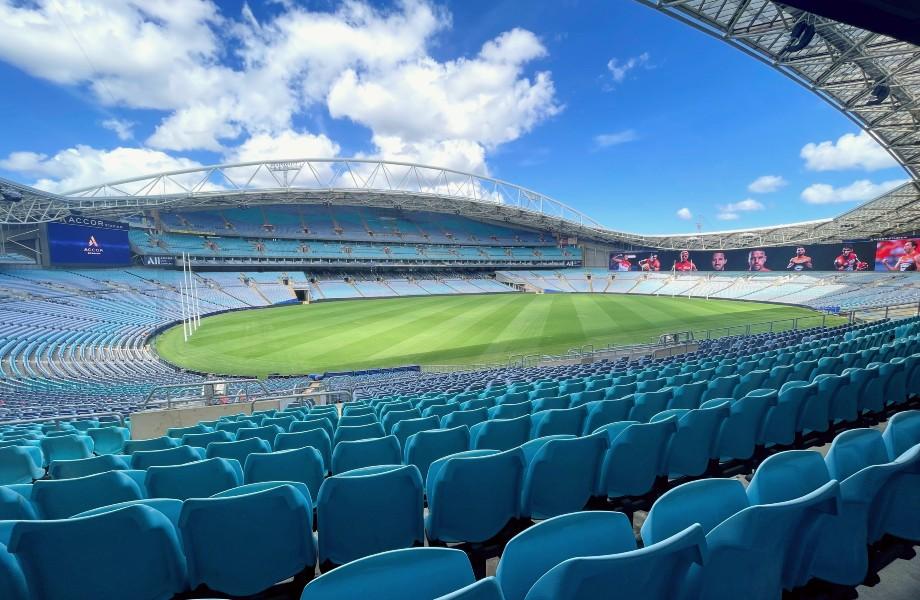
Hire the Best Concert Venues in Sydney
Find, compare and book the best concert venues Sydney has to offer with VenueNow, Australia's #1 venue hire experts.
Find Concert Venues in Sydney by Capacity, Style & Location
Ready to put on an unforgettable show? Whether you're planning an intimate acoustic set, a live band performance, a DJ event, or a large-scale music gig, you'll find plenty of incredible Sydney concert venues to choose from. From small concert venues Sydney and live music bars to theatres, warehouses, and purpose-built event spaces, there's a venue for every genre and crowd. Browse VenueNow, compare the best concert venues in Sydney, and find the perfect stage for your next performance.

Celtic Bar at Scruffy Murphys
Pub ●
Sydney CBD
World Square Bar Event Space at World Square Bar
Bar ●
Sydney CBD
Multipurpose Space at Artspace - Artspace Visual Arts Centre
Function Venue ●
Potts Point
The Burdekin's Main Bar at Burdekin Hotel
Rooftop Bar ●
Surry Hills
Club 3WM Top Level at 3 Wise Monkeys Sydney
Pub ●
Sydney CBD
Upstairs concert room at The Lansdowne Hotel
Pub ●
Chippendale
The Rooftop Sydney
Bar ●
Sydney CBD
Full Venue Hire at The Vanguard
Bar ●
Newtown NSW
Helm North End at Helm Cockle Bay
Bar ●
Sydney CBD
Chapel Bar at Greenwood Hotel
Pub ●
North Sydney
Sydney Concert Venue Hire Guide
Planning a gig in Sydney? Whether you're putting on an acoustic set for 80 people, a local band night or a much bigger live show, the venue can make or break the experience.
The best Sydney concert venues aren't simply rooms big enough to fit your audience. You need good acoustics, clear sightlines, the right stage and production setup, enough backstage space and a location people can actually get to.
And bigger isn't always better. A packed 200-person venue usually creates a much better atmosphere than 200 people scattered around a room built for 800.
At VenueNow, we are committed to helping you find the ideal concert venue, ensuring an unforgettable experience for both performers and attendees. Here's what to look for when comparing concert venues in Sydney.
Start With Your Audience Size and Event Format
Before looking at venues, get realistic about how many people you're expecting. Your estimated attendance affects almost everything: venue size, staffing, security, catering, toilets, ticketing and ultimately your budget. Then think about the performance itself. Is it a seated acoustic show? Standing gig? Classical performance? DJ set? Multiple bands sharing a bill? A venue that's perfect for a seated performance may be completely wrong for a standing rock show, even if the advertised capacity is the same.
Sydney Concert Venues by Capacity
Capacity is one of the easiest ways to narrow down your search, but don't simply book the biggest venue you can afford.
Small Concert Venues: Under 200 Guests
Small concert venues Sydney are ideal for acoustic sets, emerging artists, album launches, intimate gigs and private performances. Look for bars, pubs, creative spaces and smaller function rooms with an existing stage or performance area. The big advantage is atmosphere. A smaller crowd can still make the room feel full and energetic.
Medium Concert Venues: 200 to 500 Guests
For established local acts, touring performers and larger music events, look for dedicated music venues, halls, theatres and flexible event spaces. At this size, production becomes more important. You'll need to think seriously about stage dimensions, sound equipment, lighting, backstage areas, security and crowd flow.
Large Concert Venues: 500+ Guests
Once you're planning for several hundred people or more, you'll need a venue designed to handle bigger crowds. Look closely at entrances and exits, security requirements, toilets, bars, staging, technical infrastructure and backstage facilities. Don't book based on maximum capacity alone. Ask what the capacity is for your specific layout, because adding a stage, production equipment, bars or seating can reduce the usable number significantly.
What Type of Concert Venue in Sydney Should You Choose?
Different performances need very different spaces. Here are some of your options:
Music Halls and Live Music Venues
Purpose-built music venues are usually the easiest option because they're already designed for performances. You may have access to an existing stage, PA system, lighting, backstage areas and technical staff. That can save you from hiring a long list of equipment separately. Ask what's included before assuming the in-house setup meets your artist's technical requirements.
Theatres and Auditoriums
Theatres and auditoriums work well for seated concerts, classical performances, acoustic shows and events where sightlines matter. Tiered seating is a big advantage, but check rules around standing, dancing, food and drinks if you're planning something less traditional.
Pubs and Bars
For smaller gigs, pubs and bars are hard to beat. They're already set up for food and drinks, they have plenty of atmosphere and some have stages and live music equipment ready to go. They're particularly useful for emerging artists, local bands and smaller ticketed events.
Function Rooms and Blank-Canvas Spaces
Want more control over the setup? A function room or blank-canvas event space lets you build the concert around your own stage, lighting and production. That flexibility comes with more work. If you need to hire the stage, speakers, lighting, barriers and technicians separately, factor those costs in before deciding the empty room is a bargain.
Outdoor Venues
Parks, gardens and outdoor event spaces can work brilliantly for larger performances, festivals and summer concerts. They also come with more planning. You'll need to think about weather, power, noise restrictions, toilets, security, staging and potentially permits. Have a proper wet-weather plan too. "Hopefully it doesn't rain" is not production planning.
Best Areas for Concert Venues in Sydney
Location affects more than the postcode on your event listing. Think about where your audience is coming from, public transport and what happens when hundreds of people leave at the same time.
Sydney CBD
The CBD is convenient for public transport and gives you access to theatres, function spaces, bars and larger entertainment venues. It's particularly useful if your audience is travelling from different parts of Sydney.
Newtown
Newtown is an obvious place to look for live music. The area's pubs, bars and performance spaces work particularly well for indie acts, emerging artists and smaller gigs. It's also well connected by train, which makes getting home after the show much easier.
Chippendale
Chippendale is worth exploring for smaller performances, creative events and alternative music nights. You'll find contemporary spaces and intimate venues close to Central Station.
Inner West
Sydney's Inner West gives you plenty of pubs, halls and live music spaces with a more relaxed feel. It's a good place to start if you're organising a local band night, album launch or gig where atmosphere matters more than having a polished corporate venue.
Sydney Olympic Park
For much larger concerts, Sydney Olympic Park offers the infrastructure needed for significant crowds. If you're planning at this scale, transport, crowd management, production access and security should be part of the conversation from day one.
How Much Does a Concert Venue Cost in Sydney?
As a general guide, expect to spend around $30 to $50 per person for concert venue hire in Sydney, depending on the space, event format and what's included.
Around $30 to $35 per person may suit simpler spaces or smaller events, while $40 to $45 per person can give you more flexibility with venue facilities and inclusions. At around $50 per person, you may have access to more substantial venue or hospitality packages.
But concert pricing isn't always straightforward. Some venues charge a flat hire fee, while others use a minimum spend or per-person package. Production costs such as staging, lighting, sound equipment, technicians and security may also sit outside the advertised venue price. Ask for the total estimated cost for your event setup, not just the room hire. A cheap empty room isn't cheap once you've hired everything required to turn it into a concert venue.
Check the Acoustics and Sound Restrictions
Good sound isn't optional. Ask whether the venue regularly hosts live music and what acoustic treatment it has. If possible, attend another event there or organise a soundcheck before your concert. You'll also want to ask about noise restrictions. Some venues have strict decibel limits or curfews, particularly if they're close to residential areas. Find out when amplified music needs to finish and whether the venue uses a sound limiter. If you're booking a band that likes things loud, this is information you want before signing the contract.
What Production Equipment Do You Need?
Start with the artist's technical rider and work backwards.
Depending on the performance, you may need:
- PA system
- Mixing desk
- Stage monitors
- Microphones and stands
- Stage lighting
- Lighting desk
- Projectors or LED screens
- Power and distribution
- Stage risers
- Backline equipment
- Cables and stands
- Technicians or sound engineers
Ask what the venue owns, what's included in the hire fee and what needs to come from an external supplier. Also check whether you're required to use the venue's preferred production company. That can have a big impact on the budget.
AV Equipment Tips for a Seamless Event Experience
Stage, Backstage and Artist Facilities
Don't spend all your time thinking about the audience. The performers need somewhere to get ready, store equipment and wait before going onstage. Ask whether there's a proper green room or backstage area, private toilets and somewhere secure for personal belongings and equipment. For multiple performers, check whether there's enough room to manage changeovers without everyone and their guitar cases ending up in the same corridor.
Load-In and Load-Out
This is one of those details that's easy to ignore until someone is trying to push a drum kit through the front bar at 5 pm. Ask where production vehicles can park, whether there's a dedicated loading dock and how equipment gets from the loading area to the stage. Are there stairs? Lifts? Narrow doorways? Restricted loading times? Confirm when suppliers can access the venue for setup and when everything needs to be removed afterwards. For bigger productions, a smooth loading process can save hours.
Seating, Standing and Sightlines
Don't rely solely on the venue's maximum capacity. Ask for capacity based on the layout you're actually planning. A standing concert, seated theatre setup and cabaret-style performance can all have very different capacities in the same room. Then check sightlines. Stand at the back and sides of the venue. Can you clearly see the stage? Are there pillars blocking the view? Is the stage high enough? For seated performances, check whether every section has a reasonable view.
Food and Drinks at a Concert
Not every concert needs catering, but access to food and drinks can improve the guest experience, especially for longer events. For smaller gigs, a venue with an existing bar is usually the easiest option. For larger events, ask how many bars or service points will be open and whether they're adequately staffed for your crowd. If you're serving food, choose options that are easy to eat while standing or between performances. And think about queues. One tiny bar serving 400 people during the interval isn't going to end well.
Ticketing and Entry
If you're running a ticketed concert, ask how entry will work before doors open. Does the venue provide ticket scanning equipment? Is there enough room for a queue? Can you have separate entry points for general admission, VIPs or guest lists? You'll also need to decide whether seating is allocated or general admission. For standing gigs, check whether the venue requires barriers, security or specific crowd-management measures. The smoother entry is, the faster you can get people inside and buying drinks rather than standing on the footpath refreshing their QR codes.
Security and Crowd Management
Security requirements will depend on your event size, venue and whether alcohol is being served. Ask whether security is included or needs to be booked separately, and whether the venue has minimum staffing requirements. For larger concerts, also discuss emergency exits, crowd flow, first aid and how guests will leave at the end of the show. It might not be the glamorous part of organising a concert, but it matters a lot more than the poster design once the doors open.
What to Look for During a Concert Venue Site Visit
Don't just look at the stage and call it a day. Walk through the event from both the audience and artist perspective. Where will guests queue? How quickly can they enter? Where are the bars and toilets? Can everyone see the stage? Where will merchandise go? Then go backstage. Check dressing rooms, loading access, equipment storage and the route between the loading dock and stage. Take measurements and photos if you're bringing in production equipment. "It looked big enough when we visited" is not particularly comforting when the stage arrives.
Find a Concert Venue in Sydney
Ready to get the show on the road? Browse concert venues Sydney on VenueNow and compare spaces, capacities, facilities and prices in one place. Shortlist your favourites, send an enquiry and find a venue that works for your artists, audience and production.
Planning a gig in Sydney? Whether you're putting on an acoustic set for 80 people, a local band night or a much bigger live show, the venue can make or break the experience.
The best Sydney concert venues aren't simply rooms big enough to fit your audience. You need good acoustics, clear sightlines, the right stage and production setup, enough backstage space and a location people can actually get to.
And bigger isn't always better. A packed 200-person venue usually creates a much better atmosphere than 200 people scattered around a room built for 800.
At VenueNow, we are committed to helping you find the ideal concert venue, ensuring an unforgettable experience for both performers and attendees. Here's what to look for when comparing concert venues in Sydney.
Start With Your Audience Size and Event Format
Before looking at venues, get realistic about how many people you're expecting. Your estimated attendance affects almost everything: venue size, staffing, security, catering, toilets, ticketing and ultimately your budget. Then think about the performance itself. Is it a seated acoustic show? Standing gig? Classical performance? DJ set? Multiple bands sharing a bill? A venue that's perfect for a seated performance may be completely wrong for a standing rock show, even if the advertised capacity is the same.
Sydney Concert Venues by Capacity
Capacity is one of the easiest ways to narrow down your search, but don't simply book the biggest venue you can afford.
Small Concert Venues: Under 200 Guests
Small concert venues Sydney are ideal for acoustic sets, emerging artists, album launches, intimate gigs and private performances. Look for bars, pubs, creative spaces and smaller function rooms with an existing stage or performance area. The big advantage is atmosphere. A smaller crowd can still make the room feel full and energetic.
Medium Concert Venues: 200 to 500 Guests
For established local acts, touring performers and larger music events, look for dedicated music venues, halls, theatres and flexible event spaces. At this size, production becomes more important. You'll need to think seriously about stage dimensions, sound equipment, lighting, backstage areas, security and crowd flow.
Large Concert Venues: 500+ Guests
Once you're planning for several hundred people or more, you'll need a venue designed to handle bigger crowds. Look closely at entrances and exits, security requirements, toilets, bars, staging, technical infrastructure and backstage facilities. Don't book based on maximum capacity alone. Ask what the capacity is for your specific layout, because adding a stage, production equipment, bars or seating can reduce the usable number significantly.
What Type of Concert Venue in Sydney Should You Choose?
Different performances need very different spaces. Here are some of your options:
Music Halls and Live Music Venues
Purpose-built music venues are usually the easiest option because they're already designed for performances. You may have access to an existing stage, PA system, lighting, backstage areas and technical staff. That can save you from hiring a long list of equipment separately. Ask what's included before assuming the in-house setup meets your artist's technical requirements.
Theatres and Auditoriums
Theatres and auditoriums work well for seated concerts, classical performances, acoustic shows and events where sightlines matter. Tiered seating is a big advantage, but check rules around standing, dancing, food and drinks if you're planning something less traditional.
Pubs and Bars
For smaller gigs, pubs and bars are hard to beat. They're already set up for food and drinks, they have plenty of atmosphere and some have stages and live music equipment ready to go. They're particularly useful for emerging artists, local bands and smaller ticketed events.
Function Rooms and Blank-Canvas Spaces
Want more control over the setup? A function room or blank-canvas event space lets you build the concert around your own stage, lighting and production. That flexibility comes with more work. If you need to hire the stage, speakers, lighting, barriers and technicians separately, factor those costs in before deciding the empty room is a bargain.
Outdoor Venues
Parks, gardens and outdoor event spaces can work brilliantly for larger performances, festivals and summer concerts. They also come with more planning. You'll need to think about weather, power, noise restrictions, toilets, security, staging and potentially permits. Have a proper wet-weather plan too. "Hopefully it doesn't rain" is not production planning.
Best Areas for Concert Venues in Sydney
Location affects more than the postcode on your event listing. Think about where your audience is coming from, public transport and what happens when hundreds of people leave at the same time.
Sydney CBD
The CBD is convenient for public transport and gives you access to theatres, function spaces, bars and larger entertainment venues. It's particularly useful if your audience is travelling from different parts of Sydney.
Newtown
Newtown is an obvious place to look for live music. The area's pubs, bars and performance spaces work particularly well for indie acts, emerging artists and smaller gigs. It's also well connected by train, which makes getting home after the show much easier.
Chippendale
Chippendale is worth exploring for smaller performances, creative events and alternative music nights. You'll find contemporary spaces and intimate venues close to Central Station.
Inner West
Sydney's Inner West gives you plenty of pubs, halls and live music spaces with a more relaxed feel. It's a good place to start if you're organising a local band night, album launch or gig where atmosphere matters more than having a polished corporate venue.
Sydney Olympic Park
For much larger concerts, Sydney Olympic Park offers the infrastructure needed for significant crowds. If you're planning at this scale, transport, crowd management, production access and security should be part of the conversation from day one.
How Much Does a Concert Venue Cost in Sydney?
As a general guide, expect to spend around $30 to $50 per person for concert venue hire in Sydney, depending on the space, event format and what's included.
Around $30 to $35 per person may suit simpler spaces or smaller events, while $40 to $45 per person can give you more flexibility with venue facilities and inclusions. At around $50 per person, you may have access to more substantial venue or hospitality packages.
But concert pricing isn't always straightforward. Some venues charge a flat hire fee, while others use a minimum spend or per-person package. Production costs such as staging, lighting, sound equipment, technicians and security may also sit outside the advertised venue price. Ask for the total estimated cost for your event setup, not just the room hire. A cheap empty room isn't cheap once you've hired everything required to turn it into a concert venue.
Check the Acoustics and Sound Restrictions
Good sound isn't optional. Ask whether the venue regularly hosts live music and what acoustic treatment it has. If possible, attend another event there or organise a soundcheck before your concert. You'll also want to ask about noise restrictions. Some venues have strict decibel limits or curfews, particularly if they're close to residential areas. Find out when amplified music needs to finish and whether the venue uses a sound limiter. If you're booking a band that likes things loud, this is information you want before signing the contract.
What Production Equipment Do You Need?
Start with the artist's technical rider and work backwards.
Depending on the performance, you may need:
- PA system
- Mixing desk
- Stage monitors
- Microphones and stands
- Stage lighting
- Lighting desk
- Projectors or LED screens
- Power and distribution
- Stage risers
- Backline equipment
- Cables and stands
- Technicians or sound engineers
Ask what the venue owns, what's included in the hire fee and what needs to come from an external supplier. Also check whether you're required to use the venue's preferred production company. That can have a big impact on the budget.
AV Equipment Tips for a Seamless Event Experience
Stage, Backstage and Artist Facilities
Don't spend all your time thinking about the audience. The performers need somewhere to get ready, store equipment and wait before going onstage. Ask whether there's a proper green room or backstage area, private toilets and somewhere secure for personal belongings and equipment. For multiple performers, check whether there's enough room to manage changeovers without everyone and their guitar cases ending up in the same corridor.
Load-In and Load-Out
This is one of those details that's easy to ignore until someone is trying to push a drum kit through the front bar at 5 pm. Ask where production vehicles can park, whether there's a dedicated loading dock and how equipment gets from the loading area to the stage. Are there stairs? Lifts? Narrow doorways? Restricted loading times? Confirm when suppliers can access the venue for setup and when everything needs to be removed afterwards. For bigger productions, a smooth loading process can save hours.
Seating, Standing and Sightlines
Don't rely solely on the venue's maximum capacity. Ask for capacity based on the layout you're actually planning. A standing concert, seated theatre setup and cabaret-style performance can all have very different capacities in the same room. Then check sightlines. Stand at the back and sides of the venue. Can you clearly see the stage? Are there pillars blocking the view? Is the stage high enough? For seated performances, check whether every section has a reasonable view.
Food and Drinks at a Concert
Not every concert needs catering, but access to food and drinks can improve the guest experience, especially for longer events. For smaller gigs, a venue with an existing bar is usually the easiest option. For larger events, ask how many bars or service points will be open and whether they're adequately staffed for your crowd. If you're serving food, choose options that are easy to eat while standing or between performances. And think about queues. One tiny bar serving 400 people during the interval isn't going to end well.
Ticketing and Entry
If you're running a ticketed concert, ask how entry will work before doors open. Does the venue provide ticket scanning equipment? Is there enough room for a queue? Can you have separate entry points for general admission, VIPs or guest lists? You'll also need to decide whether seating is allocated or general admission. For standing gigs, check whether the venue requires barriers, security or specific crowd-management measures. The smoother entry is, the faster you can get people inside and buying drinks rather than standing on the footpath refreshing their QR codes.
Security and Crowd Management
Security requirements will depend on your event size, venue and whether alcohol is being served. Ask whether security is included or needs to be booked separately, and whether the venue has minimum staffing requirements. For larger concerts, also discuss emergency exits, crowd flow, first aid and how guests will leave at the end of the show. It might not be the glamorous part of organising a concert, but it matters a lot more than the poster design once the doors open.
What to Look for During a Concert Venue Site Visit
Don't just look at the stage and call it a day. Walk through the event from both the audience and artist perspective. Where will guests queue? How quickly can they enter? Where are the bars and toilets? Can everyone see the stage? Where will merchandise go? Then go backstage. Check dressing rooms, loading access, equipment storage and the route between the loading dock and stage. Take measurements and photos if you're bringing in production equipment. "It looked big enough when we visited" is not particularly comforting when the stage arrives.
Find a Concert Venue in Sydney
Ready to get the show on the road? Browse concert venues Sydney on VenueNow and compare spaces, capacities, facilities and prices in one place. Shortlist your favourites, send an enquiry and find a venue that works for your artists, audience and production.
Frequently Asked Questions
How much does concert venue hire cost in Sydney?
As a general guide, budget around $30 to $50 per person for concert venue hire in Sydney. The final cost will depend on the venue, capacity and inclusions, with production, security, staffing and equipment potentially charged separately.How early should I book a concert venue in Sydney?
For small concert venues Sydney, aim to start looking around two to four months ahead. Larger concerts or events requiring significant production may need six months or more, particularly if your date isn't flexible.What size concert venue should I book in Sydney?
Choose a venue based on realistic ticket sales rather than the biggest capacity you can afford. For intimate gigs, look at spaces under 200 people. Mid-sized events may suit venues for roughly 200 to 500 guests, while larger events need dedicated venues capable of safely managing 500 or more attendees. Always confirm capacity for your specific stage and seating setup.What should a concert venue provide?
At minimum, look for a suitable performance area, adequate power, good acoustics, audience facilities and safe entry and exit points. Depending on your event, you may also need a PA system, lighting, technicians, backstage areas, loading access, security and ticketing facilities.What should I check before booking a concert venue?
Check the capacity, acoustics, sound restrictions, stage dimensions, production equipment, backstage facilities, loading access, security requirements, accessibility and transport. You should also confirm what's included in the hire price and whether you're required to use particular production suppliers.How much does concert venue hire cost in Sydney?
As a general guide, budget around $30 to $50 per person for concert venue hire in Sydney. The final cost will depend on the venue, capacity and inclusions, with production, security, staffing and equipment potentially charged separately.How early should I book a concert venue in Sydney?
For small concert venues Sydney, aim to start looking around two to four months ahead. Larger concerts or events requiring significant production may need six months or more, particularly if your date isn't flexible.What size concert venue should I book in Sydney?
Choose a venue based on realistic ticket sales rather than the biggest capacity you can afford. For intimate gigs, look at spaces under 200 people. Mid-sized events may suit venues for roughly 200 to 500 guests, while larger events need dedicated venues capable of safely managing 500 or more attendees. Always confirm capacity for your specific stage and seating setup.What should a concert venue provide?
At minimum, look for a suitable performance area, adequate power, good acoustics, audience facilities and safe entry and exit points. Depending on your event, you may also need a PA system, lighting, technicians, backstage areas, loading access, security and ticketing facilities.What should I check before booking a concert venue?
Check the capacity, acoustics, sound restrictions, stage dimensions, production equipment, backstage facilities, loading access, security requirements, accessibility and transport. You should also confirm what's included in the hire price and whether you're required to use particular production suppliers.150,000+ customers have used VenueNow to find the perfect venue.





Rated 4.9/5 on Google

Get your venue shortlist in 60 seconds

Want to find out how much a Sydney Concert venue costs?
Popular Sydney Venues
3 Wise Monkeys Sydney
3.9 (3098)Scruffy Murphys
3.9 (1641)World Square Bar
4.3 (279)Sheraton Grand Sydney Hyde Park
4.4 (4776)Greenwood Hotel
4.1 (1990)The Lansdowne Hotel
Royal Randwick
4.4 (94)Artspace - Artspace Visual Arts Centre
4.5 (117)Forest Hotel
4.1 (796)Azalea Collective Events Centre